

p202.htm
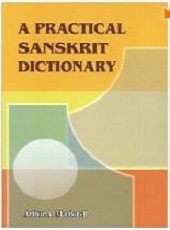
• A Practical Sanskrikt Dictionary,
by A. A. Macdonell, 1893,
http://www.sanskrit-lexicon.uni-koeln.de/scans/MDScan/index.php?sfx=jpg;
1929.
-
Nataraj ed., 1st in 2006, 2012.
-
https://dsal.uchicago.edu/dictionaries/macdonell/ 190516
• The Buddhist Hybrid Sanskrit Grammar and
Dictionary, BHS, vol.2, by F. Edgerton,
pp. 627.
-
FEdgerton-BHSD<Ô> /
Bkp<Ô> (link chk 180627)
• The Student's Pali English dictionary ,
by U Pe Maung Tin, 1920.
- (ref: UPMT-PEDxxx).
Downloaded copies in TIL
HD-PDF and SD-PDF libraries:
-
UPMT-PaliDict1920<Ô> /
bkp<Ô> (link chk 190113)
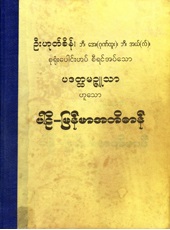
• Pali-Myanmar Dictionary
(in Pal-Myan), by U Hoke Sein,
- (ref: UHS-PMD). The dictionary in printed form is in TIL Research Library.
• Latin-English Vocabulary II, by Hans H Ørberg, 1998
-
HHOrberg-LinguaLatina<Ô> /
Bkp<Ô> (link
chk 190624)
Edited by U Kyaw Tun (UKT) (M.S., I.P.S.T., USA),
Daw Khin Wutyi, Daw Thuzar Myint, Daw Zinthiri Han
and staff of Tun Institute of Learning (TIL).
Not for sale. No copyright. Free for everyone.
Prepared for students and staff of TIL
Research Station, Yangon, MYANMAR
-
http://www.tuninst.net ,
www.romabama.blogspot.com
MC-indx.htm |
Top
MCpp-indx.htm
p202c1-b00
• भय [bhay-á]
- n. dread, alarm, fear, anxiety, of (ab., g., --°); sg., pl. terror, danger,
peril, distress (from, ab. or --°; to, --°): ab. through fear; -m kri, be afraid
of (ab.); -m dâ, give a fright, terrify.
p202c1-b01
• भयकर [bhaya-kara]
- a. terrifying; endangering (g.); -kartri, -krit, m. one who terrifies or
endangers; -m-kara, a. (î) fear-inspiring, terrifying, formidable (to, --°); m.
N.; -dindima, m. battle-drum; -trâtri, m. rescuer from danger; -da, a.
terrifying or bringing danger to (g. or --°); -dâna, n. gift given through fear;
-dâyin, a. fear-inspiring; -dhana, a. abounding in dread, terrible; -pratîkâra,
m. removal of danger; -prada, a. fear-inspiring; -pradâyin, a. bringing into
danger consisting of (--°); -vihvala, a. agitated with fear; -vyûha, m. kind of
military array in view of danger on all sides; -soka-samâvishta, pp. filled with
fear and sorrow; -samtrasta-mânasa, a. having a mind scared with fear; -sthâna,
n. occasion of danger; -hâraka, a. freeing from fear or danger; -hetu, m. cause
of alarm.
p202c1-b02
• भयानक [bhayâna-ka]
- a. terrible, dreadful.
p202c1-b03
• भयापह [bhaya̮apaha]
- a. releasing from fear, warding off danger from (--°); -̮abâdha, a.
undisturbed by fear; -̮ârta, pp. stricken with fear, terrified; -̮âvaha, a.
bringing fear or danger to (--°); -̮uttara, a. attended with fear; -̮upasama, m.
allaying of danger, fear.
p202c1-b04
• भय्य [bhay-ya]
- fp. one should be afraid of (ab.).
p202c1-b05
• भर [bhár-a]
- a. (--°) bearing; bestowing; maintaining; m. bearing, carrying (V.); gaining
(V.); booty (V.); battle, fight (V.); burden, load, weight; quantity, multitude,
bulk, mass; excess; (stress), shout or song of praise (V.): -m kri, rest one's
weight on (lc.); do one's utmost; in., ab. in full measure, with all one's
might.
p202c1-b06
• भरण [bhar-ana]
- n. bearing; wearing (of a garment, --°); bringing, procuring; maintaining,
supporting, nurture; hire, wages: î, f. (gnly. pl.) a lunar asterism; -anîya, fp.
to be supported, nourished, or fed.
p202c1-b07
• भरत् [bhár-at]
- pr. pt. of √bhri. .
p202c1-b08
• भरत [bhar-atá]
- m. [to be maintained], N. of a certain Agni who is kept alive by the care of
men (V.); a certain Agni with a son of the same name (E.); actor; N. of various
princes and men; N. of a tribe, the descendants of Bharata (pl.); N. of a manual
of the histrionic art composed by a certain Bharata: -rishabha, m. ep. of
Visvâmitra; -khanda, n. N. of a division of Bhârata-varsha; -putra, m. son of
Bharata, actor; -pura, n. N. of a city; -roha, m. N.: -ka, m. id.; -̮rishabha,
m. noblest among the Bharatas, ep. of various men; -vâkya, n. actor's speech =
epilogue of a play; -sârdûla, m. tiger among --, -sreshtha, -sattama, spv. best
of the Bharatas, id.; -sena, m. N. of a commentator on the Meghadûta, Raghuvamsa,
Sisupâlavadha, and Bhattikâvya.
p202c1-b09
• भरद्वाज [bharád-vâga]
- m. [bearing strong flight], skylark; N. of a sage: -dhanvantari, m. N. of a
divine being.
p202c1-b10
• भरध्यै [bhára-dhyai]
- (V.) d. inf. of √bhri.
p202c1-b11
• भरहूति [bhára-hûti]
- f. (RV.) battle-cry; a. raising a shout of battle.
p202c1-b12
• भरित [bhar-ita]
- den. py. full, filled with (g.[or --°).
p202c1-b13
• भरु [bhar-u]
- m. ep. of Vishnu and Siva.
p202c1-b14
• भर्ग [bhárg-a]
- m. effulgence (V.); ep. of Siva; -as, n. glorious form (V.).
p202c2-b00
• [BHRAG]
- v.BHRAGG
p202c2-b01
• भर्तव्य [bhar-tavya]
- fp. to be borne; -- supported, -- maintained or nourished; -- hired or kept.
p202c2-b02
• [bhar-tri] m. I.[SB2 bhar-] bearer, supproter, of (g.or-°); presever, supporter; lord, commander, leader, chief (tri, f. mother); 2. (bhar) husband: -ka, -° a. = bhartri, husband; -ghni, f. slayer of her husband: -gaya, m. rolling a husband; -tva, n. condition of a husband; -daraans-kankahi, f. desire of seeing her husband; -darake, m. son of the sovereign, crown prince: ika, f. daughter of the king princess; -duhitri, f. id.; devata, -daivata, a.f. idolizing her husband; -priya, a. devoted to one's master; -bhakta, pp. id. -mat-i, a. f. having a husband, married; -men. m. N. of a poet: -raoyaapaharana. n. seizure of her husband's kingdom: vateala, a. f. tender of her husband: vallabha-ta, f. being loved by her husband: -vyatitxama, m. transgression against her husband; -vyasana-pidta, pp. afflicted by her husband's calemity ; -vrata, m. fidelity to a husband: a, a. f. devoted to her husband; sokaparita angi, a. f. having her limbs overcome by grief for her husband; sat-kri, marry a girl ( to a husband) ; -hari, m. N. of a poet an grammarian (seventh century A.D.); -hina, pp. deserted by her husband.
p202c2-b03
• [BHARTS] I. P. bharisa (rare) ,cs. P.A. bhartsays, threaten, meance: revile, abuse: mock= surpas. ava, threaten; abuse. mis, id.; mock, derida; surpas, cause to disappear. pari, mence, abuse. sam. id.
p202c2-b04
• भर्त्सन [bharts-ana]
- n., a. f. threatening; abusing; -ita, pp. n. threat, against (lc.).
p202c2-b05
• भर्मन् [bhár-man]
- m. maintenance, nurture.
p202c2-b06
• [BHARV]
- I. P. bharva, chew, est (RV.).
p202c2-b07
• [BHAL] only -°
- cs. bhalays, with xi, see, lock at, observe. vi-ni, investigate. nis, look at,
regard (only in P1.). sam. P. hear.
p202c2-b08
• भल [bhala]
- enc. pel. truly, indeed (V.).
p202c2-b09
• भल्ल [bhalla]
- m. i. f. kind of arrow; m. bear; n. kind of arrow-head.
p202c2-b10
• भल्लात [bhallâta]
- m. marking-nut plant; n. the nut: -ka, m. n. id.
p202c2-b11
• भल्लूक [bhall-ûka]
- m. bear.
p202c2-b12
• भव [bhav-á] birth, production; origin, source; existence, life; worldly existence; world; well-being, prosperity; N. of a god, a companion of Rudra (V.); N. of Siva (E. C.): --°, becoming, turning into; --° a. arising, produced, or found in, coming from.
p202c2-b13
• [bhava-ka]
- -° a. = bhava, existence; -kshiti, f. birthplace; -khami, m. N.: kandra, m.N.;
-kkhid, a. destroying worldly existence, releasing from transinigration; -kkhada,
m. destruction of mundane existance, deliverance from further transnigraton; N.
of a village.
p202c2-b14
•भवत् 1. [bhav-at]
- pr. pt. (nm. -an; f. -antî) being; present.
p202c2-b15
• भवत् 2. [bháv-at]
- pr.pt [the gentleman present], m. used as honorific pronoun of the second
person (nm. -ân, f. -at-î) with the third person (exceptionally with the second)
and interchanging with the pronoun of the second person; the pl. is sts. used in
token of greater respect. Bhavat is often joined with atra, tatra, and sts. even
sa.
p202c3-b01
• भवत्पुत्र [bhavat-putra]
- m. your son; -pûrva, a. preceded by ʻbhavatʼ: -m, ad. with ʻbhavatʼ at the
beginning.
p202c3-b02
• भवदन्य [bhavad-anya]
- a. other than you; -antya, a. having ʻbhavatʼ at the end; -âhâra̮artham, ad.
for your food.
p202c3-b03
• भवदीय [bhavad-îya]
- a. thine, your (in respectful address).
p202c3-b04
• भवदुत्तरम् [bhavad-uttaram]
- ad. with ʻbhavatʼ at the end; -vakana, n. your speech; -vidha, a. one like you
(in respectful address).
p202c3-b05
• भवद्विरहनाम [bhavad-viraha-nâma]
- a. mere mention of separation from you.
p202c3-b06
• भवन [bhav-ana]
- n. dwelling, abode, mansion; palace; temple; horoscope, natal star; coming
into existence, production; place where anything grows: -dvâra, n. palacegate.
p202c3-b07
• भवनन्द [bhava-nanda]
- m. N. of an actor: -nandana, m. son of Siva, pat. of Skanda.
p202c3-b08
• भवनशिखिन् [bhavana-sikhin]
- m. domestic peacock; -̮aṅgana, n. court of a palace.
p202c3-b09
• भवनाशिनी bhava-nâsinî (destroying mundane existence), ep. of the Sarayû; -nibandha-vinâsin, a. destroying the bonds of worldly existence.
p202c3-b10
• भवनीय [bhav-anîya]
- fp. that must be or happen: yushmâbhir etad bhavanîyam ka na̮anyathâ, and you
must not let this be otherwise.
p202c3-b11
• भवन्ती [bhav-ant-î]
- f. pr. pt. present time.
p202c3-b12
• भवन्मध्य [bhavan-madhya]
- a. having ʻbhavatʼ in the middle: -m, ad. with ʻbhavatʼ in the middle.
p202c3-b13
• भवभङ्ग [bhava-bhaṅga]
- m. annihilation of mundane existence; -bhâva, m. love of the world; -bhâvana,
a. bestowing welfare: â, f. regarding anything as good fortune (--°); -bhîru, a.
fearing rebirth; -bhûti, f. fortunate existence; m. N. of a dramatic poet,
author of the Mâlatîmâdhava, the Mahâvîrakarita, and the Uttararâmakarita, who
lived in the eighth century a.d.; -bhoga, m. pleasures of the world; -manyu, m.
resentment against the world; -maya, a. proceeding from Siva; -mokana, a.
releasing from mundane existence; -sarman, m. N.; -saṅgin, a. attached to
worldly existence; -samtati, f. continuous series of transmigrations; -sâyu- gya,
n. union with Siva (after death); -sâra, m. ocean of existence.
p202c3-b14
• भवातिग [bhava̮atiga]
- a. having left mundane existence behind.
p202c3-b15
• [bhara-dris]
- a. one like you (in honorific address): -a, a. (i), id.
p202c3-b16
• भवानी [bhav-ânî]
- f. N. of a goddess (S.), later identified with Siva's wife Pârvatî (C.); N.: -pati,
-vallabha, -sakha, m. ep. of Siva.
p202c3-b17
• भवान्तर [bhava̮antara]
- n. another existence (past or future): -prâpti-mat, a. obtaining rebirth; -̮abdhi,
m. ocean of existence.
p202c3-b18
• भवितव्य [bhav-i-távya]
- fp. that must be or happen: often n. imps. with the subject in the in.
and the predicate agreeing with it; n. inevitable necessity: -tâ, f. condition
of what must be, inevitable necessity, fate; -i-tri, a. (trî) about to be,
future, imminent: nm. also used as future.
End of TIL file