p185.htm
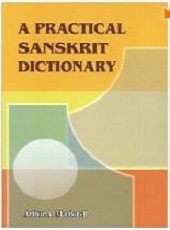
• A Practical Sanskrikt Dictionary,
by A. A. Macdonell, 1893,
http://www.sanskrit-lexicon.uni-koeln.de/scans/MDScan/index.php?sfx=jpg;
1929.
-
Nataraj ed., 1st in 2006, 2012.
-
https://dsal.uchicago.edu/dictionaries/macdonell/ 190516
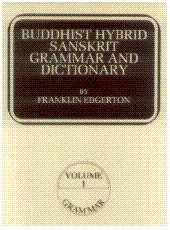
• The Buddhist Hybrid Sanskrit Grammar and
Dictionary, BHS, vol.2, by F. Edgerton,
pp. 627.
-
FEdgerton-BHSD<Ô> /
Bkp<Ô> (link chk 180627)
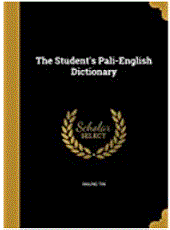
• The Student's Pali English dictionary ,
by U Pe Maung Tin, 1920.
- (ref: UPMT-PEDxxx).
Downloaded copies in TIL
HD-PDF and SD-PDF libraries:
-
UPMT-PaliDict1920<Ô> /
bkp<Ô> (link chk 190113)
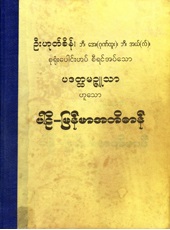
• Pali-Myanmar Dictionary
(in Pal-Myan), by U Hoke Sein,
- (ref: UHS-PMD). The dictionary in printed form is in TIL Research Library.
• Latin-English Vocabulary II, by Hans H Ørberg, 1998
-
HHOrberg-LinguaLatina<Ô> /
Bkp<Ô> (link
chk 190624)
Edited by U Kyaw Tun (UKT) (M.S., I.P.S.T., USA),
Daw Khin Wutyi, Daw Thuzar Myint, Daw Zinthiri Han
and staff of Tun Institute of Learning (TIL).
Not for sale. No copyright. Free for everyone.
Prepared for students and staff of TIL
Research Station, Yangon, MYANMAR
-
http://www.tuninst.net ,
www.romabama.blogspot.com
MC-indx.htm |
Top
MCpp-indx.htm
p185c1-b00
• प्राजिक [pra̮ag-ika]
- m. [driving forward, pursuer], hawk.
p185c1-b01
• [prâgi-dhara]
- m. N.; -mathikâ. f. N. of a locality.
p185c1-b02
• प्राज्ञ [prâgñá] (relating to intellect, pragñâ), intellectual; intelligent, wise, clever; m. wise or sensible man; intelligence associated with individuality (phil.): -tva, n. wisdom, intelligence, cleverness, -mânin or -m-mânin, a. considering oneself wise.
p185c1-b03
• प्राज्य [pra̮âgya]
- a. [having much ghee], copious, abundant; much; great, large, important; long:
-bhuga, a. long-armed.
p185c1-b04
• [prá‿añk] a. ( f. prãki) directed forwards; being in front, facing; eastward, eastern, easterly; being to the east of (ab.); inclined, willing; former, previous, prior: ankri, bring; further; stretch forth; -am kapaya, cause to be turned towards one, face; in. prâkã, forwards; eastwards.
p185c1-b05
• प्राञ्जल [pra̮añgala]
- a. [having the hands outstretched]; straightforward, candid, open; level
(road), straight: -tâ, f. straightness plainness (of meaning etc.); -̮añgali, a.
having the folded hands outstretched (in token of respect or humility); î-bhû,
hold out the folded hands.
p185c1-b06
• प्राड्विवाक [prâd-vivâka]
- m. [interrogating (prâkh) and deciding], judge.
p185c1-b07
• प्राण [pra̮aná]
- m. breath; vital spirit (pl. life); vital air (five are generally assumed; but
three, six, seven, nine, and even ten are also spoken of); sp. inhaled air;
breath of air, wind; breath as a measure of time (requisite for pronouncing ten
long syllables); vigour, energy, power; soul (in the Sâmkhya phil.);
intelligence associated with totality (Vedânta); sign of vitality (pl.); organ
of sense (mouth, nose, eyes, and ears: pl.); N.; --°, a. = loving -- as dearly
as life, or having one's life dependent on --: -kara, a. invigorating; -karman,
n. vital function; -krikkhra, n. danger to life; -ghna, a. lifedestroying,
deadly; -khid, a. cutting life short, fatal; -kkheda, m. destruction of life,
murder; -tyâga, m. abandonment of life, suicide; death.
p185c1-b08
• प्राणथ [prâná-tha]
- m. respiration; -da, a. life-giving; saving the life of (g., --°); -dakshinâ,
f. gift of life; -dayita, (pp.) m. husband loved as dearly as life; -dâna, n.
gift or saving of life; abandonment of life; -dyûta, n. play or contest for
life; -droha, m. attempt on the life of any one; -drohin, a. seeking the life of
(--°); -dhara, m. N.; -dhârana, n. maintenance or preservation of life; means of
supporting life: -m kri, P. support any one's life; Â. support one's life, take
food; -dhârin, a. preserving the life of (g.).
p185c1-b09
• प्राणन [pra◡́anana]
- a. [√an] animating, quickening; n. respiration; animating.
p185c1-b10
• प्राणनाथ [prâna-nâtha]
- m. lord of life, lover, husband; -nâsa, m. loss of life, death; -nigraha, m.
restraint of breath; -pati, m. lord of life, soul; -parikraya, m. staking one's
life; -parikshîna, pp. whose life is on the decline; -parigraha, m. possession
of life, existence; -parityâga, m. abandonment of life; -prada, a. having
restored or saved any one's life; -pradâyaka, -pradâyin, a. id.; -prayâna, n.
departure of the vital spirit, death; -priya, a. as dear as life; m. lover,
husband; -prepsu, des. a. wishing to preserve one's life, in mortal terror; -bâdha,
m. danger to life, mortal peril; -bhaksha, m. feeding on breath only (i. e. on
the mere smell of food or drink); -bhaya, n. mortal fear; -bhâg, a. possessing
life; m. living being; -bhûta, pp. being the vital breath; -bhrít, a.
life-preserving; possessing life, living; m. living being; man; -máya, a.
consisting of vital air or breath; -mokshana, n. abandonment of breath, suicide;
-yâtrâ, f. support of life, subsistence; -yâtrika, a. requisite for subsistence:
-mâtrah syât, he should possess only as much as will support life; -yuta, pp.
endowed with life, living, alive; -yoni, f. source of life; -rakshâ̮artham, ad.
for the preservation of life; -râgya-da, a. having saved any one's life and
throne; -rodha, m. suppression of the breath; -lâbha, m. saving of life; -vat,
a. endowed with life, living; vigorous, strong; -vallabhâ, f. mistress or wife
who is as dear to one as life; -vinâsa, m. loss of life, death; -viprayoga, m.
id.; -vritti, f. vital activity or function; -vyaya, m. renunciation or
sacrifice of life; -vi̮âyakkhana, n. imperilment of life; -samyama, m.
suspension of breath; -samsaya, m. risk or danger to life (sts. pl.); -samkata,
n. id.; -samtyâga, m. renunciation of life; -samdeha, m. risk or peril to life;
-samdhârana, n. preservation of life; -samnyâsa, m. giving up the spirit; -sama,
a. dear as one's own life: â, f. mistress, wife; -sammita, pp. dear as one's own
life; reaching to the nose; -sâra, n. vital energy; a. full of strength,
vigorous, muscular; -hara, a. taking away life, fatal to (--°); capital
(punishment); -hâni, f. loss of life; -hâraka, a. life-depriving, fatal; -hârin,
a. id.; -hîna, pp. bereft of life, lifeless.
p185c2-b01
• प्राणाघात
[prâna̮âghâta]
- m.
destruction of life or of a living being; -̮âkârya, m. body
physician; -̮atipâta, m. attempt on life; taking away life,
killing a living being; -̮atilobha, m. excessive attachment
to life; -̮âtman, m. breath-soul (the lowest of the three
souls of man; the other two being gîvâtman and paramâtman);
-̮atyaya, m. danger to life; -̮adhika, a. dearer than life;
superior in energy, more vigorous; -̮adhipa, m. lord of
vital breath, soul; -̮anta, m. end of life, death; a.
(ending life), capital (punishment); -̮antika, a. (î)
destructive to life, fatal; capital (punishment); life-long;
desperate, vehement (love, desire): -m, ad. till death; n.
danger to life; -̮âbâdha, m. injury to life; -̮abhisara, m.
saver of life; -̮ayana, n. organ of sensation; -̮âyâma, m.
suspension of breath (sts. pl.): -sas, ad. with frequent
suspension of the breath; -̮âyâmin, a. suspending the
breath.
p185c2-b02
• प्राणाय्य
[prânây-ya]
- a.
suitable, proper.
p185c2-b03
• प्राणार्थवत्
[prâna̮artha-vat]
- a.
living and rich; -̮arthin, a. eager for life; -̮alâbha, m.
loss of life; -̮avarodha, m. suspension of the breath.
p185c2-b04
• प्राणिघातिन् prâni-ghâtin killing living beings; -dyûta, n. game with fighting animals (such as ram-fighting etc.).
p185c2-b05
• प्राणिन्
[prân-ín]
- a.
breathing, living; m. living creature; animal; human being.
p185c2-b06
• प्रणिमत्
[prâni-mat]
- a.
supplied with living beings (country); -vadha, m. killing of
a living being.
p185c2-b07
• प्राणेश
[prâna̮îsa]
- m.
lord of life, lover, husband; Lord of breath, N. of a Marut:
â, f. mistress of one's life, wife; -̮îsvara, m. lord of
life, lover, husband: î, f. mistress, wife; -̮utkrânti, f.
departure of the vital breath, death; -̮utsarga, m. giving
up of life; -̮upasparsana, n. touching of the organs of
sense (i.e. mouth, nose, ears, and eyes); -̮upahâra, m.
(offering to life), food.
p185c3-b00
• प्राण्यङ्ग
[prâni̮aṅga]
- n.
limb of an animal or of a human being.
p185c3-b01
• प्रातःकल्प
[prâtah-kalpa]
- a.
almost morning (night); -kârya, n. morning business or
ceremony; -kâla, m. morning time, early morning; -kritya, n.
morning ceremony; -kshana, m. morning time; -prahara, m.
morning watch (six to nine o'clock a. m.).
p185c3-b02
• प्रातर्
[prâ-tár
[p(a)râ-tar(a)]
- cpv. very early], ad. at dawn, early, in the
morning; next or to-morrow morning, on the morrow: prâtah
prâtah, every morning.
p185c3-b03
• प्रातरध्येय
[prâtar-adhyeya]
- fp. to be recited early in the morning; -anuvâká,
m. early recitation (the litany with which the Prâtahsavana
begins); -anta, a. ending in the morning; -apavarga, a. id.;
-abhivâda, m. morning greeting; -avanegá, m. morning
ablution; -ahna, m. early part of the day, forenoon; -âsa,
m. morning meal, breakfast; -âsita, pp. having taken one's
morning meal, having breakfasted; -âhutí, f. morning
sacrifice (the second half of the daily Agnihotra
sacrifice).
p185c3-b04
• प्रातरित्वन्
[prâtar-í-tvan]
- a. (vc -tvas) going out or coming early; m. morning
guest.
p185c3-b05
• प्रातर्जप
[prâtar-gapa]
- m. morning prayer; -nâdin, m. (crowing
early), cock; -dugdhá, (pp.) n. morning milk; -doha, m. id.;
morning milking; -yagña, m. morning sacrifice; -yaNvan, a.
going out early; -yuktá, a. yoked early (car); -yúg, a.
yoking early; yoked early; -vastri, a. shining early; -huta,
n., -homa, m. early sacrifice.
p185c3-b06
• प्रातस्तन
[prâtas-tána]
- a. matutinal; n. early morning (one of the five
parts of the day; the other four being forenoon, midday,
afternoon, and evening); -tya, a. matutinal, morning.
p185c3-b07
• प्रातःसंध्या
[prâtah-samdhyâ]
- f. morning twilight, dawn; -sava,
m., -savaná, n. early Soma libation (the ritual of which
consists of ten parts); -sâvá, m. morning Soma libation;
-snâna, n. morning ablution; -snâyin, a. bathing in the
early morning.
p185c3-b08
• प्रातिकामिन्
[prâti-kâm-in]
- m. (acting according to one's desire:
prati-kâmam), servant; messenger; -kûlika, a. (î) resisting,
hostile, contrary: -tâ, f. opposition, hostility; -kûlya, n.
unfriendliness, opposition; repugnant practice;
disagreeableness; disagreement with (--°); -gña, n. subject
under discussion; -daivas-ika, a. occurring daily
(prati-divasam); -nidhi-ka, m. representative; -paksha, a.
belonging to the enemy or adversary; -pakshya, n. hostility,
enmity, towards (g.); -pada, a. forming the commencement; m.
N.; -pad-ika, a. express, explicit; n. crude base of a noun
(before it receives the case terminations or other
suffixes); -paurush-ika, a. relating to manliness or valour;
-bha, a. intuitive; n. intuition; presence of mind;
-bhat-ya, n. rivalry; -bhâvya, n. surety, for (--°);
certainty, trustworthy news of (g.); -bhâs-ika, a. existing
only in appearance, apparent only; -rûp-ika, a. counterfeit,
spurious; using false measure or counterfeit coin; -lom-ya,
n. inversion, inverse order; opposition, hostility;
-ves-ika, m. neighbour; -vesm-ika, m. neighbour: î, f.
female neighbour; -ves-ya, a. neighbouring; m. opposite
neighbour; neighbour;--°=neighbouring: -ka, m. neighbour;
-sâkhya, n. a grammatical treatise on the phonetic changes
of words in the text of the Vedas according to the
respective recension (prati-sâkham; there are four such
treatises, one for the RV., two for the YV., and one for the
AV.); -satvanam, ad. in the direction of the Satvan;
-sv-ika, a. own, peculiar, not common to others; -hata, m.
kind of svarita accent; -hartra, n. office of the
Pratihartri; -hârika, m. door-keeper; -hâr-ya, n. jugglery,
performance of miracles; miracle.
End of TIL file