

p129-1.htm
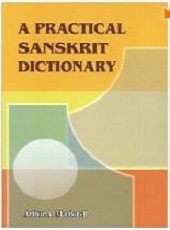
• A Practical Sanskrikt Dictionary,
by A. A. Macdonell, 1893,
http://www.sanskrit-lexicon.uni-koeln.de/scans/MDScan/index.php?sfx=jpg;
1929.
-
Nataraj ed., 1st in 2006, 2012.
-
https://dsal.uchicago.edu/dictionaries/macdonell/ 190516
• The Buddhist Hybrid Sanskrit Grammar and
Dictionary, BHS, vol.2, by F. Edgerton,
pp. 627.
-
FEdgerton-BHSD<Ô> /
Bkp<Ô> (link chk 180627)
• The Student's Pali English dictionary ,
by U Pe Maung Tin, 1920.
- (ref: UPMT-PEDxxx).
Downloaded copies in TIL
HD-PDF and SD-PDF libraries:
-
UPMT-PaliDict1920<Ô> /
bkp<Ô> (link chk 190113)
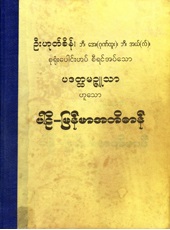
• Pali-Myanmar Dictionary
(in Pal-Myan), by U Hoke Sein,
- (ref: UHS-PMD). The dictionary in printed form is in TIL Research Library.
• Latin-English Vocabulary II, by Hans H Ørberg, 1998
-
HHOrberg-LinguaLatina<Ô> /
Bkp<Ô> (link
chk 190624)
Edited by U Kyaw Tun (UKT) (M.S., I.P.S.T., USA),
Daw Khin Wutyi, Daw Thuzar Myint, Daw Zinthiri Han
and staff of Tun Institute of Learning (TIL).
Not for sale. No copyright. Free for everyone.
Prepared for students and staff of TIL
Research Station, Yangon, MYANMAR
-
http://www.tuninst.net ,
www.romabama.blogspot.com
MC-indx.htm |
Top
MCpp-indx.htm
UKT: my observations of pronunciation difference between labialized (lip-rounding) fricatives,
{dwi.Sa.} &
{dwRi.sa.} are tentative. I still need to study them in continuous speech.
See also: http://en.wikipedia.org/wiki/Sibilant_consonant
-- UKT120422
 {dwi.sha.}
p129-1c1
{dwi.Sa.} : disyllabic - 1st non-rhotic, 2nd dental
sibilic (hisser)
 {dwi.þa.}
p129-1c2
{dwRi.sa.}
: disyllabic - 1st highly rhotic, 2nd palatal plosive-stop
 {dwé-Da}
 {dwé-Sa.}
 {dwè:gu.}
p129-1c3
 {dwè:pa.}
 {dwi.sha.}
p128c3-b15/ not online

• [DVISH] II.
-- dvéshti , dvishte , dislike, be hostile to,
show one's hatred
(end p118c3 ) (p129-1c1-top
 )
)
towards, hate (ac. sts. d. or. g.); vie with, be a n.stch for:
pp. dvishta , hateful, disagreeable, odious; hostile.
pra , dislike; hate. vi , id.; ...
{dwi.Sa.}
p129-1c1-b01/ p085
• द्विष्
dvis [ dvísh ]
= द ् व ि ष ्
-- f. (nm. dvít) enmity, hate; m. f. foe;
a. disliking, hostile to, hating (--° ).
द्विष् dvísh
dvít) enmity, hate;
p129-1c1-b02/ p085
• द्विष dvisa [ dvish-a ]
-- a. hating (--° ).
द्विष dvish-a
hating (--°).
p129-1c1-b03/ p085
• द्विषत्
dvisat [ dvish-át ]
-- pr. pt. (f. -antî) hating, disliking, hostile; m. foe.
द्विषत् dvish-át
-antî) hating, disliking, hostile; m. foe.
p129-1c1-b04/ p085
• द्विष्टत्व
dvistatva [ dvishta-tva ]
-- n. hatefulness, disagreeableness.
द्विष्टत्व dvishta-tva
hatefulness, disagreeableness.
p129-1c1-b05/ p085
{dwi.þa.}
• द्विस् dvis [ dví-s ]
-- ad. twice: *dvir ahnâ, ahnah, or ahni, twice a day.
द्विस् dví-s
twice: *dvir ahnâ, ahnah, or ahni, twice a day.
p129-1c1-b06/ p085
• द्विसप्तति
dvisaptati [ dvi-saptati ]
-- f. seventy-two; -sahasra, n. two thousand;
-sûrya, a. having two suns.
द्विसप्तति
dvi-saptati seventy-two; -sahasra, n. two thousand; -sûrya,
a. having two suns.
p129-1c1-b07/ p085
• द्विःसम
dvihsama [ dvih-sama ]
-- a. twice as great.
द्विःसम dvih-sama
twice as great.
p129-1c1-b08/ p085
• द्विहायन
dvihayana [ dvi-hâyana ]
-- a. (î) two years old; -hîna, pp. (devoid of the two,
i. e. of m. and f.), of the neuter gender; n. neuter.
द्विहायन
dvi-hâyana (î) two years old; -hîna, pp. (devoid of the two,
i. e. of m. and f.), of the neuter gender; n. neuter.
p129-1c1-b09/ p085
• द्वीप dvipa [ dvîpá ]
-- m. n. [dvi‿ap-a, having water on both sides],
sandbank in a river; island; concentric terrestrial island
(the world being considered to consist of 4, 7, 13, or 18
such encircling Mount Meru like the petals of a lotus).
द्वीप dvîpá
[dvi̮ap-a, having water on both sides], sandbank in a river;
island; concentric terrestrial island (the world being
considered to consist of 4, 7, 13, or 18 such encircling
Mount Meru like the petals of a lotus).
p129-1c1-b10/ p085
• द्वीपिकर्णि
dvipikarni [ dvîpi-karni ]
-- m. N. of a king; -kar- man, n. tiger-skin.
द्वीपिकर्णि
dvîpi-karni tiger-skin.
p129-1c1-b11/ p085
• द्वीपिन्
dvipin [ dvîp-ín ]
-- m. (having insulated spots), panther, leopard, *tiger.
द्वीपिन् dvîp-ín
(having insulated spots), panther, leopard, *tiger.
p129-1c1-b12/ p085
• द्वीपिनी
dvipini [ dvîp-in-î ]
-- f. river; ocean (having islands).
द्वीपिनी
dvîp-in-î river; ocean (having islands).
p129-1c1-b13/ p085
• द्वीप्य
dvipya [ dv&isharp;p-ya ]
-- a. dwelling on islands.
द्वीप्य dvîp-ya
dwelling on islands.
( end p129-1c1 )
{dwRi.sa.}
p129-1c2-b00/ p085
• द्वृच dvrca [ dv-rika ]
= द ् व ृ च
-- m. stanza of two verses.
द्वृच dv-rika
stanza of two verses.
p129-1c2-b01/ p085
{dwé-Da}
• द्वेधा dvedha [ dve-dhâ ]
-- ad. in two parts, twofold: -krita, pp. broken in two.
द्वेधा dve-dhâ
in two parts, twofold: -krita, pp. broken in two.
p129-1c2-b02/ p085
• द्वेधाक्रिया
dvedhakriya [ dvedhâ-kriyâ ]
-- f. breaking, splitting in two.
द्वेधाक्रिया
dvedhâ-kriyâ breaking, splitting in two.
p129-1c2-b03/ p085
{dwé-Sa.}
• द्वेष [ dvésh-a ]
-- m. dislike, abhorrence, hatred (of, --° ); malice, malignity:
-m kri, show one's hatred towards (d., lc.).
द्वेष dvésh-a
dislike, abhorrence, hatred (of, --°); malice, malignity: -m
kri, show one's hatred towards (d., lc.).
p129-1c2-b04/ p085
• द्वेषण
dvesa (?) [ dvesh-ana ]
-- a. disliking, hating; n. dislike, hatred, hostility towards (g. or
--° ); -anîya, fp. hateful.
द्वेषण dvesh-ana
disliking, hating; n. dislike, hatred, hostility towards (g.
or --°); -anîya, fp. hateful.
p129-1c2-b05/ p085
• द्वेषस्
dvesas [ dvésh-as ]
-- n. abhorrence, hatred; foe.
द्वेषस् dvésh-as
abhorrence, hatred; foe.
p129-1c2-b06/ p085
• द्वेषस्थ dvesastha [ dvesha-stha ]
-- a. cherishing dislike.
द्वेषस्थ
dvesha-stha cherishing dislike.
p129-1c2-b07/ p085
• द्वेषिन्
dvesin [ dvesh-in ] a. disliking,
hating, abhorring (g. or --° ); seeking to injure; m. foe;
-tri, m. hater, enemy.
द्वेषिन्
dvesh-in disliking, hating, abhorring (g. or --°); seeking
to injure; m. foe; -tri, m. hater, enemy.
p129-1c2-b08/ p085
• द्वेष्य
dvesya [ dvésh-ya ]
-- fp. hateful, odious; m. foe: -tâ, f.,
-tva, n. odiousness.
द्वेष्य dvésh-ya
hateful, odious; m. foe: -tâ, f., -tva, n. odiousness.
p129-1c2-b09/ p085
{dwè:gu.}
• द्वैगुण्य
dvaigunya [ dvai-gun-ya ] n. double amount.
द्वैगुण्य
dvai-gun-ya double amount.
p129-1c2-b10/ p085
• द्वैजात
dvaijata [ dvai-gâta ]
-- a. belonging to or consisting of the twice-born.
द्वैजात dvai-gâta
belonging to or consisting of the twice-born.
p129-1c2-b11/ p085
• द्वैत dvaita [ dvaitá ]
-- n. duality; -vâda, m. dualistic doctrine.
द्वैत dvaitá
duality; -vâda, m. dualistic doctrine.
p129-1c2-b12/ p085
• द्वैतिन्
dvaitin [ dvait-in ]
-- m. dualist.
द्वैतिन्
dvait-in dualist.
p129-1c2-b13/ p085
• द्वैध
dvaidha [ dvaidha ]
-- a. divided; twofold, double: -m, ad. in two parts;
n. duality; doubleness; difference; conflict, contradiction;
division of forces.
द्वैध dvaidha
divided; twofold, double: -m, ad. in two parts; n. duality;
doubleness; difference; conflict, contradiction; division of
forces.
p129-1c2-b14/ p085
• द्वैधीभाव
dvaidhibhava [ dvaidhî-bhâva ]
-- m. double nature, duality; division of forces;
double game, duplicity; uncertainty, doubt.
द्वैधीभाव
dvaidhî-bhâva double nature, duality; division of forces;
double game, duplicity; uncertainty, doubt.
p129-1c2-b15/ not online
• [dvaidhi-bhû]
-- be divided; come into conflict with itself, be at variance. (
end p129-1c2 )
{dwè:pa.}
p129-1c3-b00/ p085
• द्वैप dvaipa [ dvaipa ]
-- a. 1. dwelling on an island (dvî pa);
2. coming from the panther (dvîpin).
द्वैप dvaipa 1.
dwelling on an island (dvîpa); 2. coming from the panther
(dvîpin).
p129-1c3-b01/ p085
• द्वैपद
dvaipada [ dvaipada ]
-- a. consisting of dvipadâs.
द्वैपद dvaipada
consisting of dvipadâs.
p129-1c3-b02/ p085
• द्वैपायन
dvaipayana [ dvaipâyana ]
-- m. Islander, ep. of Vyâsa; a. relating to Dvaipâyana.
द्वैपायन
dvaipâyana Islander, ep. of Vyâsa; a. relating to
Dvaipâyana.
p129-1c3-b03/ p085
• द्वैप्य
dvaipya [ dvaip-ya ]
-- a. dwelling on or coming from an island.
द्वैप्य dvaip-ya
dwelling on or coming from an island.
p129-1c3-b04/ p085
• द्वैमातुर
dvaimatura [ dvai-mâtura ]
-- a. having two mothers (real and step-); having different mothers
(brothers); -bhrâtri, m. step-brother; -mâs ya, a. lasting two
months; -ratha, n. (± yuddha) single combat with chariots; single
fight; m. adversary; -râgya, n. dominion
divided between two kings; frontier; -vidh ya, n. twofold nature,
duality; -samdhya, (?) n. the two twilights.
द्वैमातुर
dvai-mâtura having two mothers (real and step-); having
different mothers (brothers); -- bhrâtri, m. step-brother;
-mâsya, a. lasting two months; -ratha, n. (± yuddha) single
combat with chariots; single fight; m. adversary; -râgya, n.
dominion divided between two kings; frontier; -vidhya, n.
twofold nature, duality; -samdhya, (?) n. the two twilights.
p129-1c3-b05/ p085
• द्व्यंश dvyaṃsa
[ dvi‿amsa ]
= द ् व ् य ं श
[UKT: though {þé:þé:ting} is included,
it does not show in the spelling]
-- m. sg. two parts: î, f. id.; a. having two shares;
-‿aksha, a. (î) two-eyed;
-‿ãkshara, n. sg. two syllables; a. (also rá)
dissyllabic; n. dissyllabic word; -‿anu-ka,
a. combination of two atoms; -‿adhi ka, a.
increased by two, two later than (tatah); two more;
-‿antara, a. separated by two intermediate links;
-‿abhiyoga, m. prosecution of two kinds;
-‿artha, a. having two senses, ambiguous;
-‿ardha, a. one and a half; -‿ahá,
a. lasting two days; m. period of two days: -m,
for two days; ab., lc. after two days;
-‿aha-vritta, pp. having happened two days ago.
द्व्यंश dvi̮amsa
two parts: î, f. id.; a. having two shares; -̮aksha, a. (î)
two-eyed; -̮ãkshara, n. sg. two syllables; a. (also rá)
dissyllabic; n. dissyllabic word; -̮anu-ka, a. combination
of two atoms; -̮adhika, a. increased by two, two later than
(tatah); two more; -̮antara, a. separated by two
intermediate links; -̮abhiyoga, m. prosecution of two kinds;
-̮artha, a. having two senses, ambiguous; -̮ardha, a. one
and a half; -̮ahá, a. lasting two days; m. period of two
days: -m, for two days; ab., lc. after two days;
-̮aha-vritta, pp. having happened two days ago.
p129-1c3-b06/ not online

• द्व्यास्य
dvyasya [ dví‿âsya ]
-- a. two-mouthed.
p129-1c3-b07/ p085
• द्व्युक्थ
dvyuktha [ dvi‿uktha ]
-- a.
pronouncing two ukthas; -‿ũrana,
a. having two lambs; -‿eka‿antara, a.
having two or one (caste) intervening (i.e. three or two grades
lower).
द्व्युक्थ
dvi̮uktha pronouncing two ukthas; -̮ũrana, a. having two
lambs; -̮eka̮antara, a. having two or one (caste)
intervening (i.e. three or two grades lower).
( end p129-1c3 )
End of TIL file