p127.htm
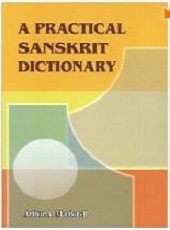
• A Practical Sanskrikt Dictionary,
by A. A. Macdonell, 1893,
http://www.sanskrit-lexicon.uni-koeln.de/scans/MDScan/index.php?sfx=jpg;
1929.
-
Nataraj ed., 1st in 2006, 2012.
-
https://dsal.uchicago.edu/dictionaries/macdonell/ 190516
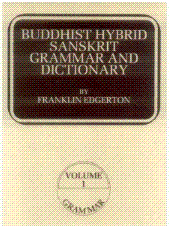
• The Buddhist Hybrid Sanskrit Grammar and
Dictionary, BHS, vol.2, by F. Edgerton,
pp. 627.
-
FEdgerton-BHSD<Ô> /
Bkp<Ô> (link chk 180627)
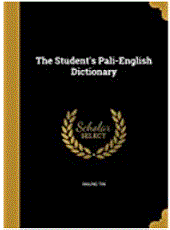
• The Student's Pali English dictionary ,
by U Pe Maung Tin, 1920.
- (ref: UPMT-PEDxxx).
Downloaded copies in TIL
HD-PDF and SD-PDF libraries:
-
UPMT-PaliDict1920<Ô> /
bkp<Ô> (link chk 190113)
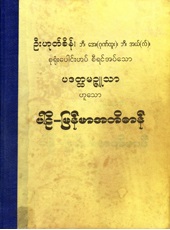
• Pali-Myanmar Dictionary
(in Pal-Myan), by U Hoke Sein,
- (ref: UHS-PMD). The dictionary in printed form is in TIL Research Library.
• Latin-English Vocabulary II, by Hans H Ørberg, 1998
-
HHOrberg-LinguaLatina<Ô> /
Bkp<Ô> (link
chk 190624)
Edited by U Kyaw Tun (UKT) (M.S., I.P.S.T., USA),
Daw Khin Wutyi, Daw Thuzar Myint, Daw Zinthiri Han
and staff of Tun Institute of Learning (TIL).
Not for sale. No copyright. Free for everyone.
Prepared for students and staff of TIL
Research Station, Yangon, MYANMAR
-
http://www.tuninst.net ,
www.romabama.blogspot.com
MC-indx.htm |
Top
MCpp-indx.htm
p127.htm was lost, and so this page is a new construct. On downloading http://dsal.uchicago.edu/dictionaries/macdonell/ 120618 , only the mess-up p125 was given. I have to sort out the contents of p.127 from the mess-up of p125 - p127. The <next page> gave p.128. -- 120618
 {dyu} /dju/
p126c3-b17
p127-c1
 {dra.}
p127-c2
 {dra}
{dra}
 {dru.}
p127-c3
 {dru}
{dru}
 {drau:}
 {drau}
 {dwa.}
orphan: दौश्््चर्म्य daus-karm-ya skin-disease.
UKT notes :
• Dravida Kingdom •
The Dravidian peoples
•
Pañcāla
 {piñ~sa-la.}
 {dyu} /dju/
• द्यूत [ dyû-tá ]
= (द ् य ू) (त)
-- n. gambling (for, lc., --° ): often fig.
( end p126c3 )
(p127c1-top )
of the hazard of battle; booty: -kara,
m. gambler; -kâra, m. id.;
-krit,m. id.;
-dâsa, m., î, f. slave won at play;
-dharma, m. laws concerning gambling;
-vartman, n. method of gambling;
-vritti, m. professional
gambler, keeper of a gaming-house; -sâlâ,
f. gaming-house; -sadana, n. id.;
-samâga, m. gambling assembly.
द्यूत dyû-tá
gambling (for, lc., --°): often fig. of the hazard of
battle; booty: -kara, m. gambler; -kâra, m. id.; -krit, m.
id.; -dâsa, m., î, f. slave won at play; -dharma, m. laws
concerning gambling; -vartman, n. method of gambling; -vritti,
m. professional gambler, keeper of a gaming-house; -sâlâ, f.
gaming-house; -sadana, n. id.; -samâga, m. gambling
assembly.
p127c1-b01/ p084
• द्यून [ dyû-na ]
-- pp. of √div.
द्यून dyû-na
√div.
p127c1-b02/ p084
• द्यो [ dyó ]
= द ् य ो
-- m. f. sky; day: v.
���� div.
द्यो dyó sky;
day: v. div.
p127c1-b03/ p084
• द्योत [ dyot-a ]
-- m. brilliance: -ka, a. shining;
illuminating; displaying; expressing, expressive of
(g., --° ); significant: -tva, n. abst.
ɴ.
द्योत dyot-a
brilliance: -ka, a. shining; illuminating; displaying;
expressing, expressive of (g., --°); significant: -tva, n.
abst. n.
p127c1-b04/ p084
• द्योतन
[ dyót-ana (or á) ]
-- a. flashing; illuminating; n. shining;
showing, displaying.
द्योतन dyót-ana
(or á) flashing; illuminating; n. shining; showing,
displaying.
p127c1-b05/ p084
• द्योतनि
[ dyot-aní ]
-- f. brilliance, light.
द्योतनि dyot-aní
brilliance, light.
p127c1-b06/ p084
• द्योतनिका
[ dyotan-ikâ ]
-- f. explanation.
द्योतनिका
dyotan-ikâ explanation.
p127c1-b07/ p084
• द्योतमान
[ dyota-mâna ]
-- pr. pt. shining.
द्योतमान
dyota-mâna shining.
p127c1-b08/ p084
• द्योतिन्
[ dyot-in ]
-- a. shining; signifying.
द्योतिन् dyot-in
shining; signifying.
p127c1-b09/ p084
• द्योतिष्पथ
[ dyotish-patha ]
-- m. path of the stars, upper air.
द्योतिष्पथ
dyotish-patha path of the stars, upper air.
p127c1-b10/ p084
• द्योतिस् [ dyot-is ]
n. light; star (=gyotis).
द्योतिस् dyot-is
light; star (=gyotis).
p127c1-b11/ p084
• द्योत्य
[ dyot-ya ]
-- fp. (to be) expressed or designated.
द्योत्य dyot-ya
(to be) expressed or designated.
{dra.}
p127c1-b12/ p084
• द्रङ्ग [ draṅga ]
-- m., â, f. town.
द्रङ्ग draṅga
town.
p127c1-b13/ p084
• द्रढय [ dradha-ya ]
-- den. P. fasten, strengthen; confirm; restrain.
द्रढय dradha-ya
P. fasten, strengthen; confirm; restrain.
p127c1-b14/ not online
• [dradh-ika]
-- m. N. of a man
p127c1-b15/ p084
• द्रढिमन्
[ dradh-i-man ]
-- m. firmness; resolution; confirmation; -ishtha,
spv. (of dridha) very firm.
द्रढिमन् dradh-i-man
firmness; resolution; confirmation; -ishtha, spv. (of dridha)
very firm.
p127c1-b16/ p084
• द्रधस्
[ drádh-as ]
-- n. garment.
द्रधस् drádh-as
garment.
p127c1-b17/ p084
• द्रप्स
[ drap-sá ]
-- m. [flowing: from drap, cs. of √drâ, run],
drop; spark; moon (drop in the sky); banner.
द्रप्स drap-sá
[flowing: from drap, cs. of √drâ, run], drop; spark; moon
(drop in the sky); banner.
p127c1-b18/ not online

• [DRAM] I. P.
-- dráma , run or wander about; intv. dandramya , id.
p127c1-b19

• [dramma] (δραχμή)
-- a coin = sixpence
p127c1-b20/ p084
• द्रव [ drav-á ] {dra.wa.}
= (द ् र) (व)
-- a. running; fluid; feeling, tender; dripping
or overflowing with (--° ); m. swift motion,
flight; fluidity; fluid, juice; -ana,
n. running; melting.
द्रव drav-á
running; fluid; feeling, tender; dripping or overflowing
with (--°); m. swift motion, flight; fluidity; fluid, juice;
-ana, n. running; melting.
p127c1-b21/ p084
• द्रवत्
[ drav-át (pr. pt. of √dru) ]
-- ad. swiftly.
द्रवत् drav-át (pr.
pt. of √dru) swiftly.
p127c1-b22/ p084
• द्रवता
[ drava-tâ ]
-- f., -tva,
n. wetness; fluidity; fusibility; -tva-ka,
n. fluidity; fusibility; -dravya, n. fluid matter;
-maya, a. fluid.
द्रवता drava-tâ
wetness; fluidity; fusibility; -tva-ka, n. fluidity;
fusibility; -dravya, n. fluid matter; -maya, a. fluid.
p127c1-b23/ not online

• [drava-ya]
-- Â. run, flow
p127c1-b24/ p084
• द्रवर [ drava-rá ]
-- a. running swiftly.
द्रवर drava-rá
running swiftly.
p127c1-b25/ not online

• द्रविड [dravida]
 {dra.wi.ða.}
-- m. N. of a country on the west coast of the Deccan; son of Vrâtya or degraded
Kshatriya: pl. the inhabitants of the Dravida country
See my notes on Dravida Kingdom in the days of Mahabharata, and the present day Dravidian peoples .
p127c1-b26/ p084
• द्रविण
[ dráv-ina ]
= द ् र व ि ण
-- n. movable goods, property; wealth, money; strength, might.
द्रविण dráv-ina
movable goods, property; wealth, money; strength, might.
p127c1-b27/ p084
• द्रविणराशि
[ dravina-râsi ]
-- m. heap of money or valuables;
-‿adhipati, m. lord of treasures, Kubera;
-‿îsvara, m. possessor of wealth.
द्रविणराशि dravina-râsi
heap of money or valuables; -̮adhipati, m. lord of
treasures, Kubera; -̮îsvara, m. possessor of wealth.
p127c1-b28/ p084
• द्रविणोद
dravino-dá, ˚दस्
-dás, ˚दा [ -d&asharp; ]
-- a. bestowing wealth.
द्रविणोद -daN
bestowing wealth.
p127c1-b29/ p084
• द्रवित्नु [ drav-i-tnú ]
-- a. swift.
द्रवित्नु
drav-i-tnú swift.
p127c1-b30/ not online

• [dravî-bhû]
-- become fluid
p127c1-b31/ p084
• द्रव्य [ 1. drav-ya ]
-- ¹ a. arboreal (v. dru).
द्रव्य 1.
drav-ya arboreal (v. dru).
p127c1-b32/ p084
• द्रव्य
[ 2. drav-ya ]
-- ² n. [fp. movable: √dru] object, thing;
substance, matter; property; gold; implement; fit
object: -tva, n. sub stantiality;
-krisa, a. of slender means, poor;
( end p127c1 )
( p127c2-top
 )
)
-gâta, n.
kind of substance; -prakriti,
f. pl. minister, realm, fortresses, treasure and army;
-maya, a. substantial, material:
-mâtra, n., â, f. gold;
-yagña, a. offering material sacrifices;
-vat, a. inherent in matter; wealthy;
-vriddhi, f. increase of wealth;
-suddhi,f. purification of
defiled objects.
द्रव्य 2. drav-ya movable: √dru] object, thing; substance, matter; property; gold; implement; fit object: -tva, n. substantiality; -krisa, a. of slender means, poor; -gâta, n. kind of substance; -prakriti, f. pl. minister, realm, fortresses, treasure and army; -maya, a. substantial, material: -mâtra, n., â, f. gold; -yagña, a. offering material sacrifices; -vat, a. inherent in matter; wealthy; -vriddhi, f. increase of wealth; -suddhi, f. purification of defiled objects.
p127c2-b01/ p084
• द्रव्यागम
-- [ dravya‿âgama ]
-- m. acquisition of property; -‿âtmaka,
a. substantial, material; -‿â
srita, pp. connected with matter.
द्रव्यागम
dravya̮âgama acquisition of property; -̮âtmaka, a.
substantial, material; -̮âsrita, pp. connected with matter.
p127c2-b02/ not online

• द्रष्टव्य
[ drash-távya ]
-- fp. to be seen, visible; that must be seen;
to be recognised; to be regarded as (nm.);
to be investigated or tried (suit).
p127c2-b03/ not online

• [drash-trí]
-- one who sees (also = 2 prs. sg. ft. without copula); one who examines, tries,
or decides (a suit); judge
{dra}
p127c2-b04/ not online

• [1. DRÂ] II. P.
-- ¹ drâ-ti , run; cs. drâpaya ,
cause to run; intv. daridrâ (run about),
be in distress, be poor. abhi-pra ,
run or hasten towards.vi , run in different directions,
run away; pr. pt. vidrâna , vanished, gone;
embarrassed, being at a loss what to do.
p127c2-b05/ not online

• [2. DRÂ] II. P.
-- ² drâ-ti , IV. drâya , sleep. ni , P. Â. fall asleep, slumber;
pr.pt. nidrâna , sleeping: pp. nidrita , id.
p127c2-b06 / p084
• द्राक् [ drâk ]
-- ad. [n. of drâ‿añk,
running to wards], instantly.
द्राक् drâk
drâ̮añk, running towards], instantly.
p127c2-b07/ p084
• द्राक्ष [ drâksha ]
 /
/
 {draak~Sa.} -->
 {draak~hka.}?
= द ् र ा क ् ष
-- a. made of grapes.
द्राक्ष drâksha
made of grapes.
p127c2-b08/ p084
• द्राक्षा [ drâkshâ ]
-- f. vine; grape: -rasa, m. grape-juice.
द्राक्षा drâkshâ
vine; grape: -rasa, m. grape-juice.
p127c2-b09/ p084
• द्राघय [ drâgha-ya ]
-- den. P. prolong; delay.
द्राघय drâgha-ya
P. prolong; delay.
p127c2-b10/ p084
• द्राघिमन्
[ drâgh-i-mán ]
-- m. length; -ishtha,
spv., -îyas, cpv. of dîrgha.
द्राघिमन्
drâgh-i-mán length; -ishtha, spv., -îyas, cpv. of dîrgha.
p127c2-b11/p084
• द्रावण
[ drâv-ana ]
-- a. putting to flight; n. id.
द्रावण drâv-ana
putting to flight; n. id.
p127c2-b12/ p084
• द्रावयत्सख
[ drâvayát-sakha ]
-- a. speeding his companion, i. e. his rider.
द्रावयत्सख
drâvayát-sakha speeding his companion, i. e. his rider.
p127c2-b13/ not online

• [drâv-ayi-tri]
-- m. who causes to run
p127c2-b14/ p084
• द्रावयित्नु
[ drâv-ay-i-tnú ]
-- a. melting.
द्रावयित्नु
drâv-ay-i-tnú melting.
p127c2-b15/ p084
• द्राविड
[ drâvida ]
 {dra-wi.ða.}
-- a. (î) Dravidian; m. country of the Dravidians:
pl. the Dravidians; î,f. Dravidian woman.
द्राविड drâvida
(î) Dravidian; m. country of the Dravidians: pl. the
Dravidians; î, f. Dravidian woman.
See my note on Dravidian peoples . Note the name can also be spelled with a short vowel as
{dru.}
p127c2-b16/ not online

• [DRU] I. P.
-- dráva , run, hasten; flee; run at, assail;
melt (also fig.): pp. druta , q. v.; cs.
drâváya , cause to run, put to flight; cause to flow, melt.
ati , hasten past or across (ac.). adhi, ascend ( a mountain).
anu, run after, pursue; accompany; run through, repeat rapidly, apa,
run away. abhi, hasten towards; run at, assial. â, hsten towards
(ac.) ud, run up or out; repeat rapidly. upa, hasten towards;
assail, attack: pp. assailed, attacked, afflicted, by (in.,-°); distressed,
prati upa, rush upon (ac.). samupa, run at , pursue; assail. pari, run
round. pra, run forward, haste away, flee; hasten towards; rush upon (ac.);
escape safely to (ac.). vi, disperse, flee; burst: pp. run away, fled;
destroyed; burst; unsteady; distraught; cs. put to flight, sam, run together.
p127c2-b17/ p084
• द्रु [ dr-ú ]
-- m. n. [splitting: √dri] wood;
wooden implement; *m. tree; branch.
द्रु dr-ú
[splitting: √dri] wood; wooden implement; *m. tree; branch.
p127c2-b18/ p084
• द्रुग्ध
-- [ drug-dhá ]
-- pp. of √druh.
द्रुग्ध drug-dhá
√druh.
p127c2-b19/ p084
• द्रुघण
[ dru-ghaná ]
-- m. [wooden striker], (wooden) club;
-ghnî, f. wood-chopper.
द्रुघण dru-ghaná
[wooden striker], (wooden) club; -ghnî, f. wood-chopper.
p127c2-b20/ p084
• द्रुत [ dru-tá ]
= द ् र ु त
-- pp. run away, fled; swift; rapidly uttered;
melted, liquid; wet with (--° ): -m,
ad. quickly, instantly, -taram,
ad. more quickly; as quickly as possible.
द्रुत dru-tá run
away, fled; swift; rapidly uttered; melted, liquid; wet with
(--°): -m, ad. quickly, instantly, -taram, ad. more quickly;
as quickly as possible.
( end p127c2 )
Orphan:
द्युत् [ 3. dyút ]
= द ् य ु त ्
-- ³ f. splendour.
p127c3-b00/ p084
• द्रुतगति
[ druta-gati ]
-- a. swift-paced, hasty; -tara-gati,
a. moving faster; -tva,
n. melting, emotion; -pada,
n. ad. with swift steps, hastily;
n. a metre (swift-paced); -vilamb ita,
n. a metre (fast and slow).
द्रुतगति
druta-gati swift-paced, hasty; -tara-gati, a. moving faster;
-tva, n. melting, emotion; -pada, n. ad. with swift steps,
hastily; n. a metre (swift-paced); -vilambita, n. a metre
(fast and slow).
p127c3-b01/ p084
• द्रुति [ dru-ti ]
-- f. melting, emotion.
द्रुति dru-ti
melting, emotion.
p127c3-b02/ p084
• द्रुपद [ dru-padá ]
-- n. wooden column, post; m. N. of a king
of the Pâñkâlas
[UKT: Pañcāla पञ्चाल
= प ञ ् च ा ल ; â,
f. N. of a verse in the TB. (II, vi, 6, 3).
द्रुपद dru-padá
wooden column, post; m. N. of a king of the Pâñkâlas; â, f.
N. of a verse in the TB. (II, vi, 6, 3).
See my note on Panchala aka Pañcāla
{piñ~sa-la.}
Note: The English-transcription Panchala had led me astray until I found the alternate spelling Pañcāla . This in turn brings up another Bur-Myan word'black magic'. See MED2006-272
p127c3-b03/ p084
• द्रुम [ dru-ma ]
-- m. tree: -maya, a. wooden; -vat,
a. abounding in trees, wooded; -‿agra,
m. n. tree-top.
द्रुम dru-ma
tree: -maya, a. wooden; -vat, a. abounding in trees, wooded;
-̮agra, m. n. tree-top.
p127c3-b04/ p084
• द्रुमाय [ drumâ-ya ]
-- den. Â. pass for a tree.
द्रुमाय drumâ-ya
Â. pass for a tree.
p127c3-b05/ not online

• [DRUH] IV. P. (E. also Â)
-- druhya , hurt, seek to injure,
offend (ac., d., g., lc.); * vie with : pp.
drugdha , one who injures or ...
p127c3-b06/ p084
• द्रुह् [ drúh ]
-- a. (nm. dhruk) injuring, betraying (--° , g.);
m. f. injurer, avenger, fiend; f. injury.
द्रुह् drúh
dhruk) injuring, betraying (--°, g.); m. f. injurer,
avenger, fiend; f. injury.
p127c3-b07/ p084
• द्रुहिण
[ druhina ]
-- m. ep. of Brahma, Vishnu, Siva.
द्रुहिण druhina
Brahma, Vishnu, Siva.
{dru}
p127c3-b08/ not online

• [DRU] IX. P. (V.)
-- drû-nâ , hurl, cast
{drau:}
p127c3-b09/ p084
• द्रोग्धव्य
[ drog-dhávya ]
-- fp. n. injury should be done to (d., lc.);
-dhri, m. injurer, ill wisher, foe.
द्रोग्धव्य
drog-dhávya injury should be done to (d., lc.); -dhri, m.
injurer, illwisher, foe.
p127c3-b10/ p084
• द्रोण
[ dróna ]
-- m. n. trough, tub; a measure of capacity
(= 4 âdhakas); m. kind of cloud
abounding in water (like a trough);
N. of the preceptor of the Kurus and Pândavas
in the art of war; N. of a Brâhman.
द्रोण dróna
trough, tub; a measure of capacity (=4 âdhakas); m. kind of
cloud abounding in water (like a trough); N. of the
preceptor of the Kurus and Pândavas in the art of war; N. of
a Brâhman.
UKT note: The name of the Brahmin, who was entrusted to distribute the Buddha's relics was Dona [a Pali name?]. He was also a preceptor to many of the rulers of the kingdoms who came to claim for their portions. Note the similarity in names.
See for similar articles in http://www.ancient-buddhist-texts.net/Maps/Map-9-Relics.htm
-- UKT 120620
p127c3-b11/ p084
• द्रोणकलश
[ drona-kalasá ]
-- m. wooden Soma vat; -vrish
ti, f. rain as from a trough;
-‿âsa, m. trough-mouth,
kind of demon of disease.
द्रोणकलश drona-kalasá
wooden Somavat; -vrishti, f. rain as from a trough; -̮âsa,
m. trough-mouth, kind of demon of disease.
p127c3-b12/ p084
• द्रोणिका
[ dron-ikâ ]
-- f. trough; -î, f. id., bath; valley.
द्रोणिका dron-ikâ
trough; -î, f. id., bath; valley.
p127c3-b13/ p084
• द्रोह [ droh-a ]
-- m. injury, treachery, perfidy: -para,
a. full of enmity, malignant; -bhâva,
m. malice; -vritti,
a. acting maliciously, malevolent.
द्रोह droh-a
injury, treachery, perfidy: -para, a. full of enmity,
malignant; -bhâva, m. malice; -vritti, a. acting
maliciously, malevolent.
p127c3-b14/ p084
• द्रोहिन्
[ droh-in ]
-- a. injuring; malicious, perfidious (with g. or --° ).
द्रोहिन् droh-in
injuring; malicious, perfidious (with g. or --°).
{drau}
p127c3-b15/ p084
• द्रौपदी
[ draupadî ]
-- f. pat. of Krishnâ, [UKT: polyandrous]
wife of the five Pândus; e-ya,
m. pl. the sons of Draupadî.
द्रौपदी draupadî
Krishnâ, wife of the five Pândus; e-ya, m. pl. the sons of
Draupadî.
UKT: Polygamy was allowed in Ancient India. Draupadi had one son each by each of the five brothers. Even at present it is still practiced in certain areas. See Wikipedia: http://en.wikipedia.org/wiki/Polyandry_in_India 120620
-- UKT120620
{dwa.}
On nasalization we get
{dwän}.
p127c3-b16/ p084
• द्व [ dvá ]
{dwa.}
= द ् व
-- du. two; ± api, both; dvayoh,
in both genders=m. f., or in both
numbers=sg. and pl. (lex.).
द्व dvá two; ±
api, both; dvayoh, in both genders=m. f., or in both
numbers=sg. and pl. (lex.).
p127c3-b17/ p084
• द्वंद्व
[ dva-m-dvá ]
-- n. pair, couple, man and wife, male and female;
pair of opposites (heat and cold, etc.);
quarrel; contest; duel; doubt; copulative
or aggregative compound (in which
the members are connected in sense with and):
-m, in. by twos, in pairs.
द्वंद्व dva-m-dvá
pair, couple, man and wife, male and female; pair of
opposites (heat and cold, etc.); quarrel; contest; duel;
doubt; copulative or aggregative compound (in which the
members are connected in sense with and): -m, in. by twos,
in pairs.
p127c3-b18/ p084
• द्वंद्वचर
[ dvamdva-kara ]
-- a. living in pairs; m. ruddy goose
(v. kakravâka); -bhâva,
m. discord; -sas,
ad. in pairs; -samprahâra,
m. duel with (saha).
द्वंद्वचर dvamdva-kara
living in pairs; m. ruddy goose (v. kakravâka); -bhâva, m.
discord; -sas, ad. in pairs; -samprahâra, m. duel with (saha).
p127c3-b19/ p084
• द्वंद्विन्
[ dvamdv-ín ]
-- a. forming a pair; contradictory.
द्वंद्विन् dvamdv-ín
forming a pair; contradictory.
p127c3-b20/ not online
• [dvamdvî-bhû]
-- pair; join battle; be irresolute regarding (lc.)
p127c3-b21/ p084
• द्वय [ dvay-á ]
-- a. (&isharp;)
twofold, of two sorts, double; î, f. pair; two things; n. id.
(--° a. f. â); duplicity; masculine and feminine gender (gr.).
द्वय dvay-á (î)
twofold, of two sorts, double; î, f. pair; two things; n.
id. (--° a. f. â); duplicity; masculine and feminine gender
(gr.).
( end p127c3 )
From Wikipedia: http://en.wikipedia.org/wiki/Dravida_Kingdom 120619
During the time of Mahabharata Dravida was mentioned as one of the kingdoms in southern India. Its territories include the southern part of modern day Andhra Pradesh and the northern part of Tamil Nadu. Sometimes the name Dravida is used to denote all the southern kingdoms (like Chola, Pandya and Kerala) collectively and sometimes as a separate kingdom.
Go back Dravida-Kingdom-note-b

From Wikipedia: http://en.wikipedia.org/wiki/Dravidian_peoples 120619
Dravidian people or peoples or is a term used to refer to the diverse groups of people who natively speak languages belonging to the Dravidian language family. Populations of speakers of around 220 million are found mostly in Southern India. Other Dravidian people are found in parts of central India, Sri Lanka, Bangladesh, Nepal and Pakistan. The most populous Dravidian people are the Telugus, Tamils, Kannadigas and the Malayalis. Smaller Dravidian communities with 1–5 million speakers are the Tuluvas, Gonds and Brahui.
UKT 120619: I am curious about the difference between Hindi and Tamil. The
following is an answer posted on
http://au.answers.yahoo.com/question/index?qid=20071009233445AAN8GfW 120619
"Tamil and Hindi languages are from India. The only common factor
is India, rest everything is different. Hindi is mostly spoken in north India
and Tamil is south India. ..."
UKT 120619: The following are the graphemes (representing the phonemes) of the
bilabial consonants:
• Hindi-Devanagari: प «pa» फ «pha» ब «ba» भ «bha» म «ma»
• Tamil script: ப
«pa» --
-- --
ம «ma»
You will notice that there are only 2 graphemes in Tamil for 5 of Hindi. The two
languages are mutually non-understandable. My question is: how in the days of
Mahabharata were the fighters who spoke different mutually unintelligible
languages understanding and fighting on two opposing sides? Were the ordinary
fighters just led into battle by their leaders to kill each other without
knowing what they were fighting and dying for? And on both sides the leaders
were claiming that they stood for Dharma aka justice. Of course, there would be
the unsupportable argument that everyone spoke a common language such as Vedic.
I am sure no one would claim that the common language was Sanskrit. I wait for
input from my peers.
You should continue reading:
http://en.wikipedia.org/wiki/Dravidian_languages 120619
Go back Dravidian-peoples-note-b , Dravidian-peoples-note-b0
UKT: At this time my interest is only in the Vedic period well before Gautama Buddha was born. According to Glass Palace Chronicle, King Abiraza after being defeated in northern India had to flee to safety in northern Myanmar and had founded the kingdom of Tagaung. From whom was he fleeing from? It could be the king of Pañcāla.
Excerpt from Wikipedia: http://en.wikipedia.org/wiki/Panchala 120620
Panchala (Skt-Dev: पञ्चाल, Pañcāla) is an ancient region of northern India, which corresponds to the geographical area around the Ganges River and Yamuna River, the upper Gangetic plain in particular. This would encompass the modern-day states of Uttarakhand and Uttar Pradesh. During the ancient times, it was home to a confederacy, the Panchalas and in c. 6th century BCE, it was considered as one of the solasa (sixteen) mahajanapadas.
Panchala was the second "urban" center of Vedic civilization, as its focus moved east from the Punjab, after the focus of power had been with the Kurus in the early Iron Age. This period is associated with the Painted Grey Ware culture, arising beginning around 1100 BCE, and declining from 600 BCE, with the end of the Vedic period. The Shaunaka and Taittiriya Vedic schools were located in the area of Panchala.
The ruling confederacy, the Panchalas, as their name suggests, probably consisted of five clans - the Krivis, the Turvashas, The Keshins, the Srinjayas and the Somakas. Each of these clans is known to be associated with one or more princes mentioned in the Vedic texts - the Krivis with Kravya Panchala, the Turvashas with Sona Satrasaha, the Keshins with Keshin Dalavya, the Srinjayas with Sahadeva Sarnjaya and the Somakas with Somaka Sahadevya. The names of the last two clans, the Somakas and the Srinjayas are also mentioned in the Mahabharata and the Puranas. King Drupada, whose daughter Draupadi was married to the Pandavas belonged to the Somaka clan.[1] However, the Mahabharata and the Puranas consider the ruling clan of the northern Panchala as an offshoot of the Bharata clan and Divodasa, Sudas, Srinjaya, Somaka and Drupada (also called Yajnasena) were the most notable rulers of this clan.[2]
Go back Panchala-note-b
End of TIL file