p112.htm
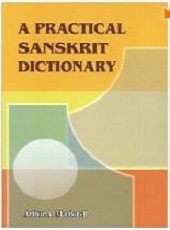
• A Practical Sanskrikt Dictionary,
by A. A. Macdonell, 1893,
http://www.sanskrit-lexicon.uni-koeln.de/scans/MDScan/index.php?sfx=jpg;
1929.
-
Nataraj ed., 1st in 2006, 2012.
-
https://dsal.uchicago.edu/dictionaries/macdonell/ 190516
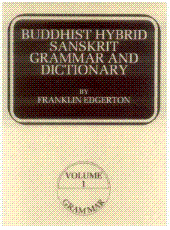
• The Buddhist Hybrid Sanskrit Grammar and
Dictionary, BHS, vol.2, by F. Edgerton,
pp. 627.
-
FEdgerton-BHSD<Ô> /
Bkp<Ô> (link chk 180627)
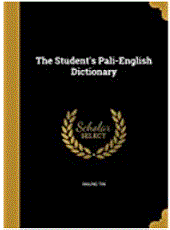
• The Student's Pali English dictionary ,
by U Pe Maung Tin, 1920.
- (ref: UPMT-PEDxxx).
Downloaded copies in TIL
HD-PDF and SD-PDF libraries:
-
UPMT-PaliDict1920<Ô> /
bkp<Ô> (link chk 190113)
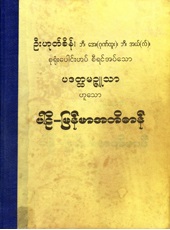
• Pali-Myanmar Dictionary
(in Pal-Myan), by U Hoke Sein,
- (ref: UHS-PMD). The dictionary in printed form is in TIL Research Library.
• Latin-English Vocabulary II, by Hans H Ørberg, 1998
-
HHOrberg-LinguaLatina<Ô> /
Bkp<Ô> (link
chk 190624)
Edited by U Kyaw Tun (UKT) (M.S., I.P.S.T., USA),
Daw Khin Wutyi, Daw Thuzar Myint, Daw Zinthiri Han
and staff of Tun Institute of Learning (TIL).
Not for sale. No copyright. Free for everyone.
Prepared for students and staff of TIL
Research Station, Yangon, MYANMAR
-
http://www.tuninst.net ,
www.romabama.blogspot.com
MC-indx.htm |
Top
MCpp-indx.htm
 {té}
{té}
p112-c1
 {tè:}
{tè:}
 {tau:}
:
{tau:}
:
UKT: I still have doubts about the transcription of back mid-vowels
and I might have to change
{tau:}
-->  {to}
-- 120325
{to}
-- 120325
p112-c2
 {tau}
{tau}
 {tya.}
: pronunciation problem due to POA (place of articulation)
{tya.}
: pronunciation problem due to POA (place of articulation)
p112-c3
 {tra.}
UKT notes :
• Indian calendar - Vedic months •
Mid-vowels of Burmese and Sanskrit
 {té}
{té}
See my note on Mid-vowels of Burmese and Sanskrit
See p059-2.htm for{è:} and p074.htm for
{kè:}
p112c1-b00/ p078
• ते te [ te ]
-- enc. d., g. of tvam.
ते te tvam.
p112c1-b01/ not online
• [tega]
-- m. N.
p112c1-b02/ p078
• तेजन
tejana [ teg-ana ]
-- n. sharpening;
kindling; point, arrow-head; shaft of an arrow; reed, cane; î, f.
bundle of reeds, matting; bunch, roll, twist.
तेजन teg-ana
sharpening; kindling; point, arrow-head; shaft of an arrow;
reed, cane; î, f. bundle of reeds, matting; bunch, roll,
twist.
p112c1-b03/ p078
• तेजस् tejas [ tég-as ]
-- n. sharpness; edge; heat, fire, bright flame, light, brilliance (sg. & pl.);
splendour, beauty; energy, vigour, force, vitality, strength; violence;
influence; mental, moral, or magical power; dignity, majesty, glory;
distinguished personage; semen virile; passion in philosophy
(=ragas).
तेजस् tég-as
sharpness; edge; heat, fire, bright flame, light, brilliance
(sg. & pl.); splendour, beauty; energy, vigour, force,
vitality, strength; violence; influence; mental, moral, or
magical power; dignity, majesty, glory; distinguished
personage; semen virile; passion in philosophy (=ragas).
p112c1-b04/ p078
• तेजस्काम tejaskama [ tégas-kâma ]
-- a. desirous of manly vigour; aiming at dignity or distinction; -vat,
a. brilliant, splendid, glorious: -î, f. N. of a princess;
-vi-tâ, f. energy; dignity, majesty; -vi-tva, n.
splendour; -vín, a. sharp; bright; strong, energetic; dignified;
glorious.
तेजस्काम tégas-kâma
desirous of manly vigour; aiming at dignity or distinction;
-vat, a. brilliant, splendid, glorious: -î, f. N. of a
princess; -vi-tâ, f. energy; dignity, majesty; -vi-tva, n.
splendour; -vín, a. sharp; bright; strong, energetic;
dignified; glorious.
p112c1-b05/ not online

• [tegah-sena]
-- m. N. of a man
p112c1-b06
• तेजिष्ठ
tejistha [ tég-ishtha ]
-- spv. brightest; very brilliant.
तेजिष्ठ tég-ishtha
brightest; very brilliant.
p112c1-b07
• तेजोद्वय
tejodvaya [ tego-dvaya ]
-- n. sun and moon (the two lights); consisting of light or splendour;
-maya, a. (î) brilliant, radiant; powerful; -rûpa,
a. formed of pure splendour or radiance; -vat,
a. bright; brilliant; -vritta, n. dignified
behaviour, energetic action.
तेजोद्वय tego-dvaya
sun and moon (the two lights); consisting of light or
splendour; -maya, a. (î) brilliant, radiant; powerful;
-rûpa, a. formed of pure splendour or radiance; -vat, a.
bright; brilliant; -vritta, n. dignified behaviour,
energetic action.
p112c1-b08
• तेदनि
tedani [ tedani (or
&isharp;) ]
-- f. (coagulated) blood.
तेदनि tedani (or
î) (coagulated) blood.
p112c1-b09/ p078
• तेन tena [ téna ]
-- in. (of ta) ad. thither; thus; therefore
(corr. yatah, yad, yasmât, yena);
tena hi, then.
तेन téna ta) ad.
thither; thus; therefore (corr. yatah, yad, yasmât, yena);
tena hi, then.
{tè:}
p112c1-b10/ p078
• तैक्ष्ण्य
taiksnya [ taikshn-ya ]
-- n. sharpness; burning heat; pungency; severity, harshness.
तैक्ष्ण्य taikshn-ya
sharpness; burning heat; pungency; severity, harshness.
p112c1-b11/ p078
• तैजस
taijasa [ taigas-a ]
-- a. (î) consisting of light, brilliant; consisting of metal.
तैजस taigas-a
(î) consisting of light, brilliant; consisting of metal.
p112c1-b12/ p078
• तैतिल taitila [ taitila ]
-- m. deity.
तैतिल taitila
deity.
p112c1-b13/ p078
• तैत्तिर
taittira [ taittira ]
-- a. (î) produced from partridges; descended from Tittiri.
तैत्तिर taittira
(î) produced from partridges; descended from Tittiri.
p112c1-b14/ p078
• तैत्तिरीय taittiriya [ taittirîya ]
-- m. pl. N. of a school of the Yagur-veda: -ka, a. belonging to the school
of the Taittirîyas; -prâtisâkhya, n.
Prâtisâkhya of the Taittirîyas; -yagur-veda,
m. the Yagur-veda of the Taittirîyas; -sâkhâ,
f. the school of the Taittirîyas; -samhitâ,
f. the Samhitâ of the Taittirîyas;
-‿âranyaka, n. an Âranyaka of the
Taittirîyas; -‿upani shad, f. the Taittirîya
Upanishad.
तैत्तिरीय
taittirîya -ka, a. belonging to the school of the
Taittirîyas; -prâtisâkhya, n. Prâtisâkhya of the
Taittirîyas; -yagur-veda, m. the Yagur-veda of the
Taittirîyas; -sâkhâ, f. the school of the Taittirîyas;
-samhitâ, f. the Samhitâ of the Taittirîyas; -̮âranyaka, n.
an Âranyaka of the Taittirîyas; -̮upanishad, f. the
Taittirîya Upanishad.
p112c1-b15/ p078
• तैमिररोग
taimiraroga [ taimira-roga ]
-- m. cataract (of the eye).
तैमिररोग
taimira-roga cataract (of the eye).
p112c1-b16/ p078
• तैमिरिक
taimirika [ taimir-ika ]
-- a. suffering from cataract (timira).
तैमिरिक
taimir-ika suffering from cataract (timira).
p112c1-b17/ p078
• तैमिर्य
taimirya [ taimir-ya ]
-- n. darkening (of the eyesight).
तैमिर्य
taimir-ya darkening (of the eyesight).
p112c1-b18/ p078
• तैर्थिक
tairthika [ tairth-ika ]
-- a. heretical; m. worthy person; n. water from a holy bathing-place.
तैर्थिक
tairth-ika heretical; m. worthy person; n. water from a holy
bathing-place.
p112c1-b19/ p078
• तैर्यग्योन
tairyagyona [ tairyag-yona ]
-- a. of animal origin; m. animal.
तैर्यग्योन
tairyag-yona of animal origin; m. animal.
p112c1-b20/ p078
• तैल taila [ tailá ]
-- n. sesamum oil; oil (sometimes pl.).
तैल tailá
sesamum oil; oil (sometimes pl.).
p112c1-b21/ p078
• तैलकार
tailakara [ taila-kâra ]
-- m. oil-grinder; -pa-ka, m. oil-drinking beetle, cockroach;
-parnika, m. kind of sandal tree; -pâtra,
n. vessel for oil; -pâyin, m. kind of beetle;
-pradîpa, m. oil-lamp; -yantra, n. oil-mill.
तैलकार
taila-kâra oil-grinder; -pa-ka, m. oil-drinking beetle,
cockroach; -parnika, m. kind of sandal tree; -pâtra, n.
vessel for oil; -pâyin, m. kind of beetle; -pradîpa, m.
oil-lamp; -yantra, n. oil-mill.
p112c1-b22/ p078
• तैलिक tailika [ tail-ika ]
-- m., î, f. oil-grinder.
तैलिक tail-ika
oil-grinder.
p112c1-b23/ p078
• तैल्वक tailvaka [ tailvaka ]
-- a. made from the Tilvaka tree.
तैल्वक tailvaka
made from the Tilvaka tree.
p112c1-b24/ p078
• तैष taisa [ taisha ]
-- a. (î) relating to the lunar mansion Tishya; m. N. of a month;
î, f. day of full moon in the month Taisha.
तैष taisha (î)
relating to the lunar mansion Tishya; m. N. of a month; î,
f. day of full moon in the month Taisha.
See my note on Indian Calendar
{tau:}
p112c1-b25/ p078
• तोक toka [ toká ]
-- n. progeny, offspring, race; child.
तोक toká
progeny, offspring, race; child.
( end p112c1 )
p112c2-b00/ p078
• तोक्म tokma [ tok-ma ]
-- m. green blade of cereals, esp. barley; young sprout.
तोक्म tok-ma
green blade of cereals, esp. barley; young sprout.
p112c2-b01/ p078
• तोटक totaka [ totaka ]
-- a. quarrelsome; n. angry speech; a metre; kind of play.
तोटक totaka
quarrelsome; n. angry speech; a metre; kind of play.
p112c2-b02/ p078
• तोत्त्र
tottra [ tót-tra ]
-- n. goad (for driving cattle).
तोत्त्र tót-tra
goad (for driving cattle).
p112c2-b03/ p078
• तोद toda [ tod-á ]
m. goader, driver; sting; -ana, n. stinging;
-ya, n. kind of cymbal.
तोद tod-á
goader, driver; sting; -ana, n. stinging; -ya, n. kind of
cymbal.
p112c2-b04/ p078
• तोमर tomara [ tomara ]
-- m. n. javelin.
तोमर tomara
javelin.
p112c2-b05/ not online

• [tpmarân]
-- m. N.
p112c2-b06/ p078
• तोय toya [ tóya ]
-- n. water: -m kri,
offer a libation of water to the dead (g.).
तोय tóya water:
-m kri, offer a libation of water to the dead (g.).
p112c2-b07/ p078
• तोयकण toyakana [ toya-kana ]
-- m. drop of water; -kar man, n. libation of water to the dead;
-krîdâ, f. sporting in the water;
-kara, a. moving in the water; m. aquatic
animal; -ga, a. growing or living in the
water; n. lotus: -‿akshî, f. lotus-eyed maiden;
-da, m. rain cloud: -‿atyaya, m. autumn;
-dhara, a. water-bearing; -dhâra, m., â,
f. stream of water; -dhi, m. ocean; -maya, a.
(î) consisting of water; -mâtra‿avasesha,
a. having nothing but water left (in them); -muk, m.
cloud; -yantra, n. water-clock; -râg, m. ocean (lord
of waters); -râsi, m. pond, lake; sea; -vat,
a. supplied with or surrounded by water; -vâha, m.
rain-cloud.
तोयकण toya-kana
drop of water; -karman, n. libation of water to the dead;
-krîdâ, f. sporting in the water; -kara, a. moving in the
water; m. aquatic animal; -ga, a. growing or living in the
water; n. lotus: -̮akshî, f. lotus-eyed maiden; -da, m.
raincloud: -̮atyaya, m. autumn; -dhara, a. water-bearing;
-dhâra, m., â, f. stream of water; -dhi, m. ocean; -maya, a.
(î) consisting of water; -mâtra̮avasesha, a. having nothing
but water left (in them); -muk, m. cloud; -yantra, n.
water-clock; -râg, m. ocean (lord of waters); -râsi, m.
pond, lake; sea; -vat, a. supplied with or surrounded by
water; -vâha, m. rain-cloud.
p112c2-b08/ p078
• तोयाग्नि
toyagni [ toya‿agni ]
-- m. submarine fire; -‿añgali, m. two handfuls
of water (in honour of the dead); -‿âdhâra, m.
reservoir, pond; -‿âlaya, m. ocean;
-‿âsaya, m. reservoir, lake;
-‿utsarga, m. discharge of water.
तोयाग्नि
toya̮agni submarine fire; -̮añgali, m. two handfuls of water
(in honour of the dead); -̮âdhâra, m. reservoir, pond;
-̮âlaya, m. ocean; -̮âsaya, m. reservoir, lake; -̮utsarga,
m. discharge of water.
p112c2-b09/ p078
• तोरण torana [ torana ]
-- n. arched portal, triumphal arch: -mâna, m. N.
तोरण torana
arched portal, triumphal arch: -mâna, m. N.
p112c2-b10/ p078
• तोलक tolaka [ tola-ka ]
-- n. (?) a weight (=2 sânas).
तोलक tola-ka (=2
sânas).
p112c2-b11/ p078
• तोलन
tolana [ tol-ana ]
-- n. lifting; weighing
(with, saha); -ya, fp. to be weighed.
तोलन tol-ana
lifting; weighing (with, saha); -ya, fp. to be weighed.
p112c2-b12/ p078
• तोष tosa [ tosh-á ]
-- m. satisfaction, pleasure (in, g., lc., --°);
-ana, a.
(î) appeasing, satisfying, de lighting; n. id.; -in,
a. (--°) content with, liking; satisfying, gladdening.
तोष tosh-á
satisfaction, pleasure (in, g., lc., --°); -ana, a. (î)
appeasing, satisfying, delighting; n. id.; -in, a. (--°)
content with, liking; satisfying, gladdening.
p112c2-b13/ p078
• तोसुन् tosun [ tos-un ]
-- inf. ending -tos.
तोसुन् tos-un
-tos.
{tau}
p112c2-b14/ p078
• तौग्र्य taugrya [ taugr-yá ]
-- m. son of Túgra
(Bhugyu).
तौग्र्य taugr-yá
son of Túgra (Bhugyu).
p112c2-b15/ p078
• तौर्यत्रय
tauryatraya [ taurya-traya ]
-- n. (triad of music), music, song, and dance.
तौर्यत्रय
taurya-traya (triad of music), music, song, and dance.
p112c2-b16/ p078
• तौल्य taulya [ taul-ya ]
-- n. weight.
तौल्य taul-ya
weight.
p112c2-b17/ p078
• तौषार tausara [ taushâra ]
-- a. produced by snow.
तौषार taushâra
produced by snow.
p112c2-b18/ p078
• त्मन् tman [ tmán ]
-- m. vital breath; one's self: in. tmánâ
and lc. tmán = pcls.
certainly, at least, even, also (generally emphasizing pre ceding word);
often with uta or ka, and also, and certainly;
with iva or ná, just as; with ádha,
and even.
त्मन् tmán vital
breath; one's self: in. tmánâ and lc. tmán = pcls.
certainly, at least, even, also (generally emphasizing
preceding word); often with uta or ka, and also, and
certainly; with iva or ná, just as; with ádha, and even.
{tya.}
UKT: We will analyse the problem of pronunciation of
p112c2-b19/ p078
• त्य tya [ tyá ]
-- prn. that; that well-known (ille).
त्य tyá that;
that well-known (ille).
p112c2-b20/ p078
• त्यक्तजीवित
tyaktajivita [ tyakta-gîvita ]
a. abandoning (= risking) one's life, brave; -‿âtman, a.
despairing of himself.
त्यक्तजीवित
tyakta-gîvita abandoning (= risking) one's life,
brave; -̮âtman, a. despairing of himself.
p112c2-b21/ p078
• त्यक्तव्य
tyaktavya [ tyak-tavya ]
-- fp. to be abandoned; to be despaired of; to be sacrificed.
त्यक्तव्य
tyak-tavya to be abandoned; to be despaired of; to be
sacrificed.
p112c2-b22/ p078
• त्यक्ताग्नि tyaktagni [ tyakta‿agni ]
-- a. neglecting the (sacred) fire.
त्यक्ताग्नि
tyakta̮agni neglecting the (sacred) fire.
p112c2-b22/ p078
• त्यक्तुकाम tyaktukama [ tyaktu-kâma ]
-- a. wishing to leave.
त्यक्तुकाम
tyaktu-kâma wishing to leave.
p112c2-b23/ not online

• [tyak-tri]
-- m. one who abandons (g.) or sacrifices (ac.).
p112c2-b24/ p078
• त्यक्त्वा
tyaktva [ tyak-tvâ ]
-- gd. (√tyag) disregarding= except.
त्यक्त्वा
tyak-tvâ (√tyag) disregarding= except.
p112c2-b25/ not online
[TYAG] [(a) ti‿ag] I. P. (Â.)
-- tyaga , leave, forsake; abandon; disown; expose (a child); quit (a place);
avoid (a person); let a lone, spare; give up, renounce, (p112c3-top )
abandon, throw, or give away; neglect; ignore
( end p112c2 ) - kalevaram , tanum or
deham -, die; givitam , prânân or svâsa - , id. or
risk one's life; ps. be forsaken by (in.) = get rid of; pp. ...
p112c3-b01/ not online

• [tyag]
-- a. (-°) abandoning, giving up; offering.
p112c3-b02/ p078
• त्यजन tyajana [ tyag-ana ]
-- n. desertion.
त्यजन tyag-ana
desertion.
p112c3-b03/ p078
• त्यजस् tyajas [ tyag-ás ]
-- m. offspring.
त्यजस् tyag-ás
offspring.
p112c3-b04/ p078
• त्यद् tyad [ tyá-d ]
-- nm. ac. n. of tya; ad. as is well known, indeed
(always preceded by ha or yásya ).
त्यद् tyá-d tya;
ad. as is well known, indeed (always preceded by ha or
yásya).
p112c3-b05/ p078
• त्याग tyaga [ tyâg-á ]
-- m. abandonment, desertion; quitting; giving up, sacrifice, renunciation;
liberality: -karma-samanvita, pp. linked with charity;
-sîla, a. liberal: -tâ, f.
liberality.
त्याग tyâg-á
abandonment, desertion; quitting; giving up, sacrifice,
renunciation; liberality: -karma-samanvita, pp. linked with
charity; -sîla, a. liberal: -tâ, f. liberality.
p112c3-b06/ p078
• त्यागिता
tyagita [ tyâgi-tâ ]
-- f. liberality.
त्यागिता
tyâgi-tâ liberality.
p112c3-b07/ p078
• त्यागिन्
tyagin [ tyâg-in ]
-- a. abandoning, deserting; sacrificing:
âtmanah, throwing away one's life,
suicide; --°, giving up, rejecting, renouncing.
त्यागिन् tyâg-in
abandoning, deserting; sacrificing: âtmanah, throwing away
one's life, suicide; --°, giving up, rejecting, renouncing.
p112c3-b08/ p078
• त्याजक
tyajaka [ tyâg-aka ]
-- a. abandoning, refusing; -ana,
n. giving up, renunciation;
-ya, fp. to be abandoned, -deserted,
-cast off; -shunned; -given up or away.
त्याजक tyâg-aka
abandoning, refusing; -ana, n. giving up, renunciation; -ya,
fp. to be abandoned, -- deserted, -- cast off; -- shunned;
-- given up or away.
{tra.}
p112c3-b09/ not online

• [TRAP] I. Â.
-- trapa , be embarrassed or ashamed; cs. trapaya ,
P. cause to be embarrassed or ashamed.
p112c3-b10/ p078
• त्रपा trapa [ trap-â ]
= त ् र प ा
-- f. embarrassment, shame.
त्रपा trap-â
embarrassment, shame.
p112c3-b11/ p078
•
त्रपु
trapu [ tráp-u ]
-- n. tin.
त्रपु tráp-u
tin.
p112c3-b12/ p078
• त्रय traya [ tray-á ]
-- a. (î) threefold, triple: trayî vidy&asharp;,
the threefold knowledge, knowledge of the three Vedas;
n. triplet, triad; î, f. id.; the three Vedas;
the Buddhist triad, Buddha, Dharma, and Samgha; summit.
त्रय tray-á (î)
threefold, triple: trayî vidyaN, the threefold knowledge,
knowledge of the three Vedas; n. triplet, triad; î, f. id.;
the three Vedas; the Buddhist triad, Buddha, Dharma, and
Samgha; summit.
p112c3-b13/ p078
• त्रयस्त्रिंश
trayastriṃsa [ trayas-trimsá ]
-- a. (&isharp;) thirty-third.
त्रयस्त्रिंश
trayas-trimsá (î) thirty-third.
p112c3-b14/ p078
• त्रयस्त्रिंशत्
trayastriṃsat [ tráyas-trimsat ]
-- f. thirty-three.
त्रयस्त्रिंशत्
tráyas-trimsat thirty-three.
p112c3-b15/ p078
•
त्रयीधामवत्
trayidhamavat [ trayî-dhâma-vat ]
-- a.
whose light consists of the three Vedas; ep. of the sun; -maya,
a. (î) consisting of or based on the three Vedas.
त्रयीधामवत्
trayî-dhâma-vat whose light consists of the three Vedas; ep.
of the sun; -maya, a. (î) consisting of or based on the
three Vedas.
p112c3-b16/ p078
• त्रयोदश
trayodasa [ trayo-dasá ]
-- a.
(î) thirteenth; î, f. thirteenth day of the
fortnight.
त्रयोदश trayo-dasá
(î) thirteenth; î, f. thirteenth day of the fortnight.
p112c3-b17/ p078
• त्रयोदशधा
trayodasadha [ trayodasa-dh&asharp; ]
-- ad. thirteenfold, in thirteen parts.
त्रयोदशधा
trayodasa-dhaN thirteenfold, in thirteen parts.
p112c3-b18/ p078
• त्रयोदशन्
trayodasan [ tráyo-dasan (or sán) ]
-- num. thirteen.
त्रयोदशन्
tráyo-dasan (or sán) thirteen.
p112c3-b19/ p078
• त्रयोदशर्च
trayodasarca [ trayodasa‿riká ]
-- a. having fourteen verses.
त्रयोदशर्च
trayodasa̮riká having fourteen verses.
p112c3-b20/ p078
• त्रयोविंश
trayoviṃsa [ trayo-vimsá ]
-- a. (&isharp;) twenty-third.
त्रयोविंश
trayo-vimsá (î) twenty-third.
p112c3-b21/ p078
• त्रयोविंशति
trayoviṃsati [ tráyo-vimsati ]
-- f. twenty-three.
त्रयोविंशति
tráyo-vimsati twenty-three.
p112c3-b22/ not online

• [TRAS] I. P.,
-- trása , IV. (E. also Â.) trasya , tremble or quake, at, be
afraid of (in., ab., g.) : pp. trásaya , P. (E. also Â.) shake; frighten,
scare, apa , start back, flee. ud , pp. ...
p112c3-b23/ p078
• त्रस trasa [ tras-a ]
= त्रस
-- a. moving; n. living creature: (á)-dasyu,
m. (at whom demons tremble), N. of
a generous prince, favourite of the gods; -renu,
m. mote in a sun-beam.
त्रस tras-a
moving; n. living creature: (á)-dasyu, m. (at whom demons
tremble), N. of a generous prince, favourite of the gods;
-renu, m. mote in a sun-beam. ( end p112c3 )
Below is the original navigation of Mac-Chicago, and will not work unless you are online.
If you are just a user, use Windows navigation.< Previous Page [111] <Page 112> Next Page [113]>
See this page in simple ASCII
Back to the Search Page | Back to the DDSA PageThe entries were given not only in HTML (which is very misleading) but also in simple ASCII which can be easily related to IAST . I am removing the so-called HTML which were in [...] and substituting simple ASCII.
Excerpts from Glimpses from Ancient India, Part 2
http://dpuckjoe.wetpaint.com/page/GLIMPSES+FROM+ANCIENT+INDIA+PART+2 120323
UKT: I have to do a bit of editing.
The Indian calendar [month] is of 29.5 days. The month is divided into two halves called Paksha of 15 Thithees (Lunar days) each. The first half beginning with full moon and was called Purnimavasya and the second half beginning with new moon was called Amavashya or Bahaulvashya.
The fortnight beginning with the new moon was called Shuklpaksha and the dark half is called Krishnapaksha.
The calandar normally consists of 12 lunar months. This makes only 354 days, thus to cater for the difference with a solar year, a thirteenth month was added to the calendar after each 30 lunar months. This leap month was called Dvitiya Asadha or DvitiyaSravanna. It was added after asadha or sravanna month. Thus each second or third year had thirteen months.
Names of the months: 01. Chaitra (March - April), 02. Vaishakh
(April - May), 03. Jyaistha (May - June), 04. Ashadh (June -
July), 05. Sharavan (July - August), 06. Bhadrapada or
Parusthapada (August - September), 07. Ashivan or Asvayuja
(September - October), 08. Kartikka (October - November), 09.
Margasirsha or Agrahayana (November - December), 10. Pausa or
Taisa (December - January), 11. Magha (January-February), and 12.
Phalgun (February - March).
However during Vedic times the months were called Madhu, Madhava,
Shukra, Suchi, Nabhas, Nabhasya, Isa, Urja, Sahas, Tapas and Tapashya.
The correspondence between the modern names and Vedic names are:
01. Chaitra - Madhu , 02. Vaisakha - Madhav, 03. Jyeshta - Sukra, 04. Ashadha - Suchi,
05. Sravana - Nabha, 06. Bhadrapada - Nabhasya, 07. Asvina - Isha, 08. Kartika - Urja,
09. Margaseersha - Saha, 10. Pausha - Sahasya, 11. Magha - Tapa, 12. Phalguna - Tapasya
Extra/ impure month: Adhikamasa - Maliplucha
-- Ancient Indian Astrology: http://www.ancientindianastrology.com/cmsa/index.php?option=com_content&view=article&id=115:vedic-month-names&catid=38:sayana-jyotisha&Itemid=60 - 120323
The seasons: a group of two months was called Ritu. The six seasons were Vasantha ( Spring, March - May), Grishma (Summers, May - July), Varsha (Rains, July - September), Sarad (Autumn, September - November), Hemantha (Winters, November - January), and Sishir (Cool season, January - March.)
Indian dates are normally given in the order of month, paksha and tithi and the abbreviation sudi or badi is used for the bright or dark halves of the month e.g. Chaitra sudi 7 means , seventh day from the new moon of the month of Chaitra .
The various Era's followed by Indians are :
• Vikramaditya Era - this started in 58 BC. It was started by Emperor
Vikramaditya to celebrate his victory over the Sakas and driving them out of
Ujjain.
• Sakas Era - This was started by a Saka King on his return to Ujjain in
78 AD.
• Gupta Era - started by Emperor Chandra Gupta in 320 AD.
• Harsh era - Started by Raja Harshavardhana of Kannauj in 606 AD.
• Kalachuri Era - Started in 248 AD by a small dynasty of Central India
called Traikutaka.
• Lakshmana Era - Started in Bengal in 1119 AD.
• Lichivi and Nevar Era of Nepal started in 110 Ad and 878 AD
respectively.
• Kollam Era of Malabar Started in 825 AD.
• Buddha Era started in 544 BC.
• Mahavir Era started in 528 BC.
• Off all the above, the Saka and Vikrama are the most widely
used eras.
Go back Indian-calendar-note-b
by UKT: 120323
During my work on Romabama, a transcription-transliteration between Burmese written in Myanmar script (Bur-Myan) and English written in Latin script (Eng-Lat), I have come to realize that there is a striking similarity between the Skt-Dev and Bur-Myan. We do not find such similarity between Bur-Myan and Pal-Myan.

This has led me to suggest that there might have been a direct link between
Burmese and Sanskrit. It is almost certain that the Magadha
 {ma-ga.Da.} speech - the language of the Buddha - was imported into Tagaung
 {ta.kaung:}
of northern Burma over land routes.
{ta.kaung:}
of northern Burma over land routes.
According to the chronicles it took place
once before the Gautama Buddha era, and secondly during the life-time of the
Buddha. The first incident took place when a kshatriya, King Abiraza after
losing his kingdom in northern India took refuge in Burma eventually founding
the city of Tagaung
{ta.kaung:}.
It should be expected that the Sanskrit speaking bramanas who would be
functioning as family priests would have accompanied the royal household. And so
we should expect both sibilant language (Sanskrit - an IndoEuropean language)
and thibilant language Magadhi (a Tibeto-Burman language) would have been
introduced into northern Myanmar years before the birth of the Buddha. We should
expect the local population of Pyu
 {pyu} ,
who undoubted were Tibeto-Burman speakers would have come under the influence of
Indian languages more than 2500 years ago.
{pyu} ,
who undoubted were Tibeto-Burman speakers would have come under the influence of
Indian languages more than 2500 years ago.
Magadhi, the ancient speech of Buddha a kshatriya himself, had become
influenced by the Pali from SriLanka beginning from the days of the Nalanda
University in the Pyu
{pyu} era
even before the ancient city of Pagan
 {pu.gän}
was founded. This city has now been written in English as Bagan which
does not reflect the phonemic orthography in Bur-Myan.
{pu.gän}
was founded. This city has now been written in English as Bagan which
does not reflect the phonemic orthography in Bur-Myan.
See p059-2.htm for
{è:} and
p074.htm for
{kè:} 
In studying the vowels we must not forget the Two-three tone problem that exists between Indo-European languages such as English and Tibeto-Burman languages such as Burmese.
First of all we will take the case of the front open mid-vowels which are absent in English and Pali. They are present in Burmese and Sanskrit. It is interesting that in the {è:} orthography, the killed-{ya.} is used for the modal register.
{è.}
{èý}
{kè.}
{kèý}
{tè.}
{tèý}
{pè.}
{pèý}
{pè:}
Lately it has come to my notice that there is a language known as Mithili in
northern India bordering Nepal. See

The city of Mithila has been identified as modern day Janakpur in Dhanusa district of Nepal. -- http://en.wikipedia.org/wiki/Mithila 120319
The people of Mithila (in India & Nepal) has a language known as Mithili.
-- http://en.wikipedia.org/wiki/Maithili_language 120324Mithila
{mait~hti-la} was the capital of Videha, now identified with Janakpur, a town in Southern Nepal. The rulers of Vidheha were called Janakas and in Hindu tradition are thought to have been great scholars. It is believed that they were the oldest among the clans migrated from the river Saraswati as the river started drying up. -- 120319
An interesting question: Was Myanmar
Go back mid-vow-Bur-Skt-note-b
End of TIL file