

p292.htm
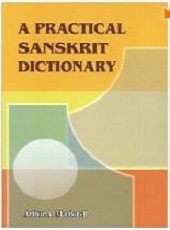
• A Practical Sanskrikt Dictionary,
by A. A. Macdonell, 1893,
http://www.sanskrit-lexicon.uni-koeln.de/scans/MDScan/index.php?sfx=jpg;
1929.
-
Nataraj ed., 1st in 2006, 2012.
-
https://dsal.uchicago.edu/dictionaries/macdonell/ 190516
• The Buddhist Hybrid Sanskrit Grammar and
Dictionary, BHS, vol.2, by F. Edgerton,
pp. 627.
-
FEdgerton-BHSD<Ô> /
Bkp<Ô> (link chk 180627)
• The Student's Pali English dictionary ,
by U Pe Maung Tin, 1920.
- (ref: UPMT-PEDxxx).
Downloaded copies in TIL
HD-PDF and SD-PDF libraries:
-
UPMT-PaliDict1920<Ô> /
bkp<Ô> (link chk 190113)
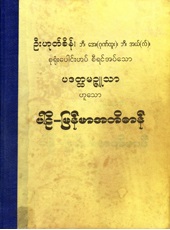
• Pali-Myanmar Dictionary
(in Pal-Myan), by U Hoke Sein,
- (ref: UHS-PMD). The dictionary in printed form is in TIL Research Library.
• Latin-English Vocabulary II, by Hans H Ørberg, 1998
-
HHOrberg-LinguaLatina<Ô> /
Bkp<Ô> (link
chk 190624)
Edited by U Kyaw Tun (UKT) (M.S., I.P.S.T., USA),
Daw Khin Wutyi, Daw Thuzar Myint, Daw Zinthiri Han
and staff of Tun Institute of Learning (TIL).
Not for sale. No copyright. Free for everyone.
Prepared for students and staff of TIL
Research Station, Yangon, MYANMAR
-
http://www.tuninst.net ,
www.romabama.blogspot.com
MC-indx.htm |
Top
MCpp-indx.htm
p292c1-b00
• विषह्य
[vi-shahya]
- fp.
(√sah) possible; ascertainable; conquerable.
p292c1-b01
• विषाग्नि
[visha̮agni]
- m. burning poison; -̮aṅkura, m. poisonous shoot;
-̮aṅganâ, f.=-kanyâ.
p292c1-b02
• विषाण
[vishaNna]
- n.
horn; tusk (of an elephant, a boar, or of Ganesa; rare);
claws (of a crab; rare): -vat, a. (C.) horned; having tusks;
m. (C.) boar.
p292c1-b03
• विषाणा
[vishaNnâ]
- f.
horn (V.).
p292c1-b04
• विषाणिन्
[vishân-ín]
- a.
having horns or tusks; m. elephant; ep. of a people (holding
horns in their hands, comm.; RV.1).
p292c1-b05
• विषाद [ vi-shâda]
- m.
relaxation, lassitude (rare); dejection, despondency,
dismay, despair; repugnance, disgust (rare): -vat, a.
dismayed, dejected, disconsolate.
p292c1-b06
• विषादिन् 1.
[vishâd-in]
- a. id.: (-1) ita, f., -tva, n. dejection, despondency, dismay, despair.
p292c1-b07
• विषादिन् 2.
[visha̮âdin]
- a. swallowing poison; -̮anna, n. poisoned food;
-̮apaha, a. destroying poison; -̮amrita-maya, a. (î) having
the nature of poison and nectar (girl).
p292c1-b08
• विषाय
[vishâ-ya]
- den.
Â. become poison.
p292c1-b09
• विषास्वाद
[visha̮âsvâda]
- m. poison to the taste.
p292c1-b10
• विषित
[ví-shita]
- pp.
(√sâ) opened.
p292c1-b11
• [vish-bhu]
- become poison.
p292c1-b12
• विषु
[vishu]
- ad. (°--)
on both sides, in various directions.
p292c1-b13
• विषुण
[víshuna]
- a. (RV.)
various; changing (moon); averted, averse; lc. aside.
p292c1-b14
• विषुरूप
[víshu-rûpa]
- a. of various colours or forms (V.).
p292c1-b15
• विषुव
[vishuva]
- m.
equinox.
p292c1-b16
• विषुवत्
[vishŭ̂-vat]
- a. (sharing both sides equally), being in the middle
(V.); m. middle day (in a certain annual celebration: Br.);
n. equinox (C.): -samkrânti, f. passage of the sun to the
next sign at the equinox.
p292c1-b17
• विषूचिका
[víshûk-ikâ]
- f.
indigestion accompanied by evacuation in both directions.
p292c1-b18
• विषूची
[ví-shûk-î]
- f.
vishvañk.
p292c1-b19
• विषूचीन
[vishûk-îna]
- a.
spreading in all directions (V., P.).
p292c1-b20
• विष्क
[vish-ka]
- m.
elephant twenty years old.
p292c1-b21
• विष्कम्भ
[vi-shkambha]
- m. [√skambh] support; width; interlude explaining
what is necessary for understanding what follows (dr.): -ka,
a. supporting (rare); m. interlude (=vishkambha).
p292c1-b22
• विष्किर
[vi-shkira]
- m. [√krî] scraper, gallinaceous bird.
p292c1-b23
• [VISH-T]
- [prob. deriv. of vis], only pp. a-vishtita, enveloped in (in.; V.)
p292c1-b24
• विष्ट
[vish-tá]
- pp.
√vis & √vish.
p292c1-b25
• विष्टत्व
[vishta-tva]
- n.
connexion with (in.).
p292c1-b26
• विष्टप्
[vi-shtáp]
- f.
top, surface, height, esp. of heaven (V.).
p292c1-b27
• विष्टप
[vishtáp-a]
- m. (rare), n. id.; n.
world (C.): -traya, n. the three worlds.
p292c1-b28
• विष्टम्भ
[vi-shtambhá]
- m.
supporting, planting (the foot, --°); support; prevention,
stoppage.
p292c1-b29
• विष्टर
[vi-shtara]
- m.
[strewing: √strî] handful of rushes, grass, etc. for sitting
on (S., E.); m. n. seat (C., ord. mg.): -sravas, m.
(far-famed), ep. of Vishnu-Krishna.
p292c2-b00
• विष्टार
[vi-shtârá]
- m.
[strewing: √stri] layer of grass (RV.1): (á)-paṅkti, f. a
metre (8+12+12+8 syllables); (a)-brihatî, f. a metre
(8+10+10+8 syllables).
p292c2-b01
• विष्टि 1.
[vishtí]
- ad. [perh. fr.
vi+sti=asti, being different, change], -bhih, in. pl.
changing, in turn (RV.).
p292c2-b02
• विष्टि 2.
[vish-ti]
- f.
[work: √vish] compulsory service, soccage ; coll. bondmen.
UKT 191224: Looking for "soccage", I found only "socage" which to my understanding means "serf" - a bondman who is not a slave but one "tied" to a cultivated field owned by a feudal lord.
See Wikipedia: https://en.wikipedia.org/wiki/Socage 191224
Are the words "slave" and "serf" applicable to Burma under the kings stretching back to Pagan period is an important question. In Medieval Europe, the feudal lord even had the right to deflower the virgin daughters of the serfs.
See Wikipedia: https://en.wikipedia.org/wiki/Droit_du_seigneur 191224
It is said that the Ari-monks of Pagan had the right to deflower the virgins who could not marry unless being deflowered. Is it true that the Aris were persecuted by King Anawrahta because of this custom? Or, were those Aris just belonging to the Buddhist sect of Tantra.
p292c2-b03
• विष्ठा 1.
[vi-shthaN]
- f. (V.)
several position, station; kind, form.
p292c2-b04
• विष्ठा 2.
[vish-thâ]
- f.
excrement (rarely pl.).
p292c2-b05
• विष्ठित
[vi-shthita]
- pp.
abiding etc. (√sthâ).
p292c2-b06
• विष्णु
[vish-nu]
- m.
[Worker: √vish] N. of a god of the upper region
(personification of the sun) who traverses the world in
three strides, companion of Indra, mentioned with the
Âdityas, husband of Sinîvâlî (V.); janitor of the gods
(Br.); his head when cut off becomes the sun (Br.). In C. he
is the second of the triad, the Preserver, husband of
Lakshmî or Srî, and Sarasvatî, father of the god of love,
rests on the serpent Sesha, and has Garuda for his vehicle,
descends to earth in several Avatârs; N. of a lawgiver.
p292c2-b07
• विष्णुक्रम
[vishnu-kramá]
- m. pl.
Vishnu's steps (three steps to be taken by the sacrificer
between Vedi and Âhavanîya); -gupta, m. ep. of Kânakya; N.
of a Buddhist; -gâmâtri, m. son-in-law Vishnu; -tva, n.
Vishnu's nature; -datta, m. N.; -nyaṅga, a. in which Vishnu
is frequently mentioned; -pada, n. zenith; sky; -purâna, n.
T. of a Purâna; -mat-î, f. N. of a princess; -maya, a. (î)
relating to, having the nature of, Vishnu; -mitra, m.
frequent N. (used as an instance like Cajus); -loka, m.
Vishnu's world; -vâhana, n. Vishnu's vehicle, Garuda;
-sakti, 1. f. Vishnu's energy, Lakshmî; 2. m. N. of a king;
-sarman, m. N. of various men, esp. of the narrator of the
Pañkatantra and the Hitopadesa; -sûkta, n. hymn to Vishnu;
-svâmin, m. temple or statue of Vishnu.
p292c2-b08
• [vi-shpas]
- m. (nm.t) spier out of (g.; RV.1; spas).
p292c2-b09
• विष्पित vishpitá straits, peril (RV.).
p292c2-b10
• विष्फुलिङ्ग
[vi-shphulíṅga]
- m. spark.
p292c2-b11
• विष्यन्दन
[vi-shyandana]
- n. trickling.
p292c2-b12
• विष्वक्
[víshvak]
- ad. v.
vishvañk: -sena, m. N. of Vishnu or Krishna; g-añkana, a.
turned in all directions; g-gamana-vat, a. moving in all
directions; g-vâtá, m. wind blowing in all directions.
p292c2-b13
• [vishuihk]
- (V.) a. (f. vishuki) turned in both or all directions, coming from or
going in all directions, general; getting into all kinds of conditions;
separated from (in., ab.); ad. (V., C.) vishvak, on both sides, sideways;
around, everywhere, in all directions.
p292c2-b14
• [vishva-dryank]
- a. (f. driki) going in all directions: ad. dryak, away (RV.1).
p292c2-b15
• विसंवाद
[vi-sam-vâd-a]
- m.
breach of word; contradiction, disagreement, with (in. ±
saha, lc., --°); -aka, a. breaking one's word (in a-); -ana,
n. breaking one's promise (in a-); -i-tâ, f. id. (in a-);
contradiction, disagreement with (in.); -in, a.
contradicting, disagreeing.
p292c2-b16
• विसंशय
[vi-sam-saya]
- a.
subject to no doubt, certain; -shthula, -sthula, a.
unsteady, infirm, tottering; -sarpin, a. spreading
(obliquely, --°); -kula, a. not confused, composed; n.
composure; -gña, a. unconscious.
p292c2-b17
• विसदृश
[vi-sadrisa]
-
(â, î) unlike, different, unequal: -phala-tâ, f. difference
of consequences; -sandhi, m. secondary joint; absence of
Sandhi; a. jointless; unallied with any one; lacking Sandhi;
-samnâha, a. unarmoured; -samâpti, f. non-completion;
-sambhoga, m. separation.
p292c3-b01
• विसर
[vi-sara]
- m.
[extension: √sri] multitude, quantity.
p292c3-b02
• विसर्ग
[vi-sargá]
- m.
[√srig] discharge, liberation (V., C.); cessation, end (V.);
divergence (of paths: RV.); C.: emission; evacuation of
excrement; dismission of a person; bestowing, giving;
casting, throwing, discharging, scattering; creating;
creation, product; final aspiration (gr.): -kumbana, n.
parting kiss; -lupta, n. absence of Visarga.
p292c3-b03
• विसर्जन
[vi-sárgana]
- n.
cessation, end, removal (V., E.); creating (RV.); C.:
relinquishment, desertion; discharge, emission; sending
away, dismission of a person; driving of cows to pasture
(--°); bestowing, giving; -sarganîya, m. final aspirate
(gr.); -sargita, cs. pp. (√srig) abandoned, turned adrift;
-sarpa, m. spread, diffusion; erysipelas, and similar kinds
of inflammation; -sarpana, a. spreading; n. shifting (int.);
diffusion, increase; (ví)-sarpin, a. coming forth, issuing,
against (--°); moving or gliding about; spreading, diffusing
itself.
p292c3-b04
• विसार
[vi-sâra]
- m.
diffusion; -sârathi, a. lacking a charioteer (car); -sâr-in,
a. issuing (=reverberating) from (a cave, --°); spreading,
diffusing itself: (-i)-tâ, f. diffusion.
p292c3-b05
• [vi-sik]
- m. Jain.
p292c3-b06
• विसुख
[vi-sukha]
- a.
joyless; -suta, a. childless; -suhrid, a. friendless.
p292c3-b07
• विसूत्र
[vi-sûtra]
- a.
[stringless, loose], confused, disordered; disconcerted;
-sûtrana, n. [vi-sûtraya] throwing into confusion; driving
away; -sûtra-tâ, f. confusion, disorder; mental confusion;
-sûtrita, pp., v. sûtraya; -sûrana, n. sorrow (Pr.).
p292c3-b08
• विसृत््
[vi-srít]
- f.
flowing water (RV.1); -sritvara, a. spreading, diffusing
itself; -srípas, ab. inf. √srip; -srimara, a. spreading,
diffusing itself; gliding; (ví)-srishta, pp. √srig: -dhena,
a. pouring streams of milk (RV.1); (ví)-srishti, f.
discharge; creation.
p292c3-b09
• विसोम
[vi-somá]
- a.
lacking Soma (Br.); moonless (night; C.).
p292c3-b10
• विसौख्य
[vi-saukhya]
- n. suffering; -saurabha, a. lacking fragrance.
p292c3-b11
• विस्त
[vista]
- m. a
certain weight (one Karsha or sixteen Mâshas of gold).
p292c3-b12
• विस्तर
[vi-stara]
- a.
[√stri] extensive (very rare); m. extent; multitude; large
company; number of things, -- connected with athg.; detail,
minute particulars, detailed description, diffuseness (ord.
mg.): --° sts.=extensive; in., ab., -tas, -sas, in detail,
with full particulars: -tâ, f. extension.
p292c3-b13
• विस्तार
[vi-stâra]
- m.
extension, expansion, extent; detail, detailed enumeration
or description; -stârana, n. stretching out (of the feet);
-stâr-in, a. spreading, extensive, broad; -stîrna, pp.
(√strî) extensive, wide, etc.: -karna, a. extending the
ears; broadeared; m. elephant, -tâ, f. spaciousness;
-striti, f. extent; breadth.
p292c3-b14
• विस्पष्ट
[ví-spashta]
- pp. (√spas) evident, manifest, clear,
distinct, intelligible: -̮artha, a. having a clear or an
obvious meaning.
p292c3-b15
• विस्फार
[vi-sphâra]
- m. opening wide, expansion; twang of a bow;
-sphârita, cs. pp. √sphar; -sphuta, a. gaping; -sphuliṅga,
m. spark; -sphûrga, m. roaring; -sphûrgathu, m. roaring of
(waves, --°); sudden manifestation of (--°); -sphûrgita, pp.
√sphûrg; n. roar; sudden manifestation of (--°); -sphota, m.
crash (rare); blister, boil: -ka, m., i-kâ, f. boil,
blister.
End of TIL file